Feng Shui for Japanese privet
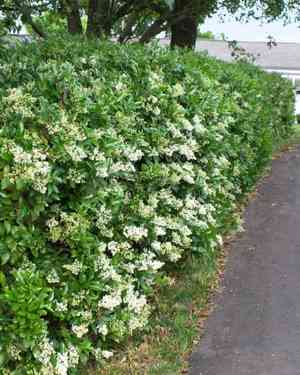
Ligustrum japonicum may align favorably with East-facing directions, embodying beneficial attributes that foster development and abundance. Its dense leaves and robust form are believed to gently draw in auspicious energy from the morning sun, potentially aiding in the establishment of an ideal energetic equilibrium within the environment.
How Does Japanese Privet Influence Energies in Your Life?
Growth, Vitality
Due to its Wood element, japanese privet is linked to development and vigor, fostering a flourishing atmosphere and enhancing the energy circulation within your area.
Transformation, Active Movement
In Feng Shui, the Zhen Qi is associated with change and dynamic motion, symbolizing the positive effects japanese privet can offer when strategically positioned to boost energetic flow.
What Makes Japanese Privet An Auspicious Choice In Feng Shui?
Growth
Japanese privet represents the Wood Element, encouraging individual development and strengthening your ability to conquer difficulties and surmount challenges.
Harmony
Japanese privet can integrate diverse energies within your environment, balancing the Zhen Qi, which fosters connections and encourages mutual understanding.
Vitality
The Wood Element present in japanese privet aids in restoring your energy and invigorating your surroundings, facilitating the movement of beneficial Qi.
What Maintenance Tips Should Be Considered for Japanese Privet?
Placement
Refrain from planting japanese privet in the central or northwest sections of your property, as this may disturb the equilibrium of all five elements.
Overgrowth
Consistent pruning is crucial, as uncontrolled growth of japanese privet can result in an energetic imbalance and heighten a chaotic ambiance.
Allergens
Exercise caution regarding possible allergenic reactions to japanese privet, particularly during its flowering period, as this might impede the beneficial flow of Qi for susceptible individuals.
Where to Position Japanese Privet for Feng Shui?
Where to Position Japanese Privet for Feng Shui?
Japanese privet may be compatible with East-facing directions, as it embodies supportive characteristics that promote development and abundance. The plant's rich foliage and robust form are believed to subtly draw in positive energy from the rising sun, potentially contributing to an ideal energetic balance in the space.



