Feng Shui for Blue iris
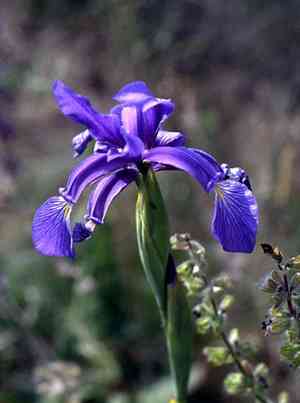
The blue iris is thought to be well-suited for areas facing North. Its azure blossoms are thought to encourage consistent development, mirroring the Northern direction's association with water currents in classical Feng Shui. Nevertheless, perspectives differ, and people ought to consider their distinct energetic attributes.
How Does Blue Iris Influence Energies in Your Life?
Deep Insights and Mysteries
Representing water and Kan Qi, blue iris signifies profound understanding and enigmas. In Feng Shui, water equates to wisdom, and Kan embodies the deep, unexplored facets of existence.
Transformation and Change
Blue iris indicates transformation and alteration, due to its link with the flowing, adaptable water element. The broader meaning of Kan Qi in life's cycle introduces the aspect of change.
What Makes Blue Iris An Auspicious Choice In Feng Shui?
Harmony
The blue iris corresponds with the water element in Fengshui, thus balancing the surrounding energy and fostering equilibrium.
Supportive Energy
With its 'Qi' as 'Kan', the blue iris provides robust encouragement for personal advancement and significant life shifts.
Enhance Intuition
The blue iris aids in heeding the wisdom of the subconscious, thereby boosting intuition and self-awareness.
What Maintenance Tips Should Be Considered for Blue Iris?
Over-Watering
Exercise caution to prevent over-watering the blue iris, as this can disrupt water energy balance, leading to adverse energy.
Placement
Ensuring the blue iris is positioned correctly, ideally in the North, to effectively direct positive energy into the area.
Avoid Infested Plants
A sick or dying blue iris plant can draw in negative Qi. Consistent upkeep and proper care are crucial to benefit from its positive energy.
Where to Position Blue Iris for Feng Shui?
Where to Position Blue Iris for Feng Shui?
Blue iris is seen as compatible with North-facing areas. Its blue petals are thought to encourage steady development, mirroring water's northward flow in traditional Feng Shui. Nevertheless, interpretations differ, and individuals should consider their distinct energy profiles.



