Feng Shui for Parlor palm
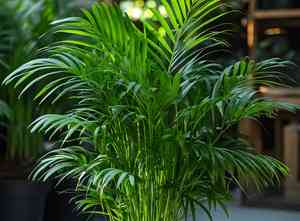
The parlor palm is believed to align favorably with eastward-facing areas according to Feng Shui principles. Representing development and advancement, this botanical specimen is said to enhance the vital energy of the Wood element, which is associated with the Eastern quadrant and can potentially foster affluence and fresh starts when strategically positioned within a living space.
How Does Parlor Palm Influence Energies in Your Life?
Growth and Vitality
Parlor palm signifies development and vigor as it aligns with the Wood element, representing upward motion and potent energy, encouraging feelings of rejuvenation and expansion.
Harmony and Balance
Due to its Zhen Qi, parlor palm embodies harmony and equilibrium within a setting. Its presence aids in establishing balance and cultivates a supportive atmosphere, improving positive interactions.
What Makes Parlor Palm An Auspicious Choice In Feng Shui?
Harmony
The parlor palm introduces harmony by balancing the Wood element in its surroundings, leading to improved relationships and emotional stability.
Prosperity
The parlor palm, with its Zhen Qi and Wood element, represents consistent growth and resilience, attracting prosperity into your residence or professional space.
Health
The Wood element of the parlor palm encourages a healthy energy flow, supporting overall well-being and strengthening physical vitality.
What Maintenance Tips Should Be Considered for Parlor Palm?
Placement
Refrain from placing the parlor palm in areas with excessive Yang energy, such as the South, to prevent overstimulation and agitation.
Excessive Growth
Having too many parlor palm plants could create an imbalance in the environment, negatively impacting other Fengshui elements.
Neglect
Appropriate care for the parlor palm is crucial. A wilting plant might lead to stagnant Qi, causing detrimental effects on health and finances.
Where to Position Parlor Palm for Feng Shui?
Where to Position Parlor Palm for Feng Shui?
Parlor palm is believed to align well with East-facing areas in Feng Shui practices. As a symbol of development and advancement, this plant can reportedly boost the chi energy of the Wood element, which corresponds to the Eastern direction and may inspire abundance and fresh starts when thoughtfully positioned in one's surroundings.



