Feng Shui for Chinese hackberry
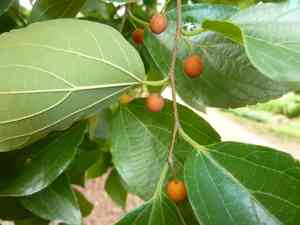
From a Feng Shui viewpoint, the Celtis sinensis aligns favorably with eastward orientations, purportedly because its inherent Yin (subtle and shaded) qualities temper the Yang (vibrant and illuminated) essence of the East. Nevertheless, this compatibility could vary depending on specific environmental factors and personal perceptions.
How Does Chinese Hackberry Influence Energies in Your Life?
Growth, Prosperity, Vitality
In Feng Shui, the chinese hackberry's element, Wood, signifies development and affluence. Its Qi, Zhen, relates to vigor and stimulating energies, suggesting a flourishing, wealthy atmosphere when this plant is present.
Transformation, Renewal
The chinese hackberry's essence aligns with Zhen, denoting change and rejuvenation. The Wood element is linked to the idea of continuous development and alteration, representing an ongoing revitalization of energy and prospects.
What Makes Chinese Hackberry An Auspicious Choice In Feng Shui?
Balance
The chinese hackberry's Wood element helps stabilize the complex energy in your surroundings, fostering peace and tranquility.
Growth
Chinese hackberry represents consistent development and fortitude, enhancing the positive energy linked to advancement and individual achievement.
Protection
Surrounding your home with chinese hackberry aids in harnessing the Zhen Qi, providing strong defense against adverse energies.
What Maintenance Tips Should Be Considered for Chinese Hackberry?
Positioning
Incorrect placement of chinese hackberry might disturb your living area's Qi flow; always consider ideal Fengshui positioning.
Quantity
An excess of chinese hackberry's Wood element could lead to imbalance. It's crucial to combine it with other elements for stability.
Health
Unhealthy or dying chinese hackberry can significantly impact Qi levels, remember to keep your plant lively and thriving.
Where to Position Chinese Hackberry for Feng Shui?
Where to Position Chinese Hackberry for Feng Shui?
From a Feng Shui viewpoint, the chinese hackberry is well-suited for East-facing locations, presumably due to its inherent Yin (soft and shaded) quality that counterbalances the Yang (bright and sunny) energy of the East. Nevertheless, harmony may vary depending on specific spatial contexts and personal sensitivities.



