Feng Shui for Soap aloe
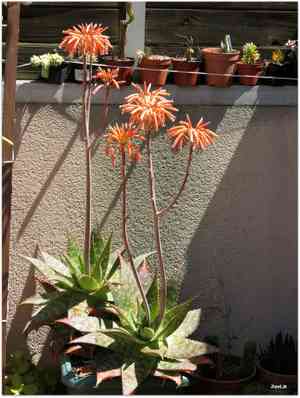
Aloe saponaria exhibits a strong affinity for a South-facing orientation. Its robust, fleshy characteristics represent resilience in overcoming difficulties, mirroring a fundamental quality of Southern Energy – the assertive nature of the Fire Element. Nevertheless, personal outcomes can differ, acknowledging the individual interpretation inherent in Feng Shui principles.
How Does Soap Aloe Influence Energies in Your Life?
Passion and Energy
In Feng Shui, 'Fire' signifies passion and energy. Soap aloe's connection to the 'Fire' element symbolizes igniting passion, activity, and high spirits, thus boosting enthusiasm and vitality in one's environment.
Transformation and Adaptability
The 'Qi' of soap aloe places it under 'Li', representing the capacity to transform and adjust. A symbol of flexible strength, soap aloe acts as a dominant emblem of quick adaptability and resilience to shifts.
What Makes Soap Aloe An Auspicious Choice In Feng Shui?
Passion
As soap aloe embodies the Fire element, it's known to cultivate enthusiasm and passion, injecting a surge of energy into your living area.
Transformation
Being part of the Li Qi, soap aloe promotes transformation and evolution, guiding you toward beneficial life changes.
Protection
The fiery essence of soap aloe forms a protective shield against adverse influences, ensuring peace and serenity in your dwelling.
What Maintenance Tips Should Be Considered for Soap Aloe?
Overheating
The fiery characteristic of soap aloe can cause an imbalance if there's already an abundance of fire elements in the area, leading to agitation or stress.
Placement
Ensure soap aloe is positioned in a spot requiring an energy uplift, while being mindful not to overwhelm the energy of other nearby elements.
Care
The soap aloe should consistently appear lively and robust. A withered or deceased soap aloe can introduce negative Qi, impacting the overall Feng Shui equilibrium.
Where to Position Soap Aloe for Feng Shui?
Where to Position Soap Aloe for Feng Shui?
Soap aloe aligns powerfully with the South-facing direction. The plant's succulent nature represents the ability to endure difficult circumstances, mirroring an inherent aspect of Southern Energy - the Fire Element's assertiveness. Nevertheless, personal experiences may differ, respecting Feng Shui's individual nature.



