Feng Shui for Norway maple
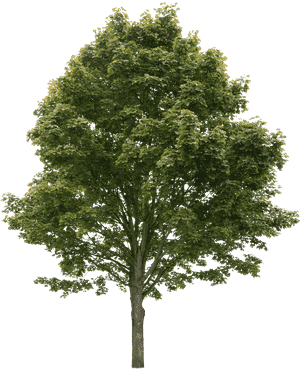
The Acer platanoides is thought to align favorably with an easterly orientation. Its expansive and verdant leaves signify potent elemental power, embodying robust Wood vitality. This vigor represents development, affluence, and revitalization, positively correlating with the characteristics of the East sector in classical Feng Shui methodology.
How Does Norway Maple Influence Energies in Your Life?
Growth and Prosperity
The Wood element of norway maple represents sustained growth and abundance, fostering a solid base and ongoing advancement in personal and professional endeavors.
Nurturing and Stability
Utilizing the nurturing quality of Zhen Qi, norway maple encourages stability and balanced connections, cultivating a supportive setting for flourishing in different areas of existence.
What Makes Norway Maple An Auspicious Choice In Feng Shui?
Balance
Norway maple balances the Wood element, aiding in the creation of a stable and harmonious atmosphere within your home.
Growth
The Zhen Qi of norway maple represents progress and expansion, benefiting both individual and career advancement.
Vitality
Norway maple boosts the circulation of beneficial energy, revitalizing your surroundings and improving your general health.
What Maintenance Tips Should Be Considered for Norway Maple?
Placement
Refrain from positioning norway maple in sleeping areas or confined spaces, as its potent energy might lead to imbalances, impacting rest and tranquility.
Upkeep
Regularly care for norway maple to prevent obstruction of positive Qi flow, as a neglected plant could draw in adverse energy.
Proportionality
Maintain norway maple in proportion to your area, as an excessively large plant might overemphasize the Wood element and create imbalance.
Where to Position Norway Maple for Feng Shui?
Where to Position Norway Maple for Feng Shui?
The norway maple is thought to align favorably with the East-facing orientation. Its extensive and dense foliage signifies powerful elemental energy, embodying crucial Wood energy. This energy symbolizes development, affluence, and revitalization, positively resonating with the East sector's characteristics in traditional Feng Shui principles.



