The Narrow leaf zinnia Plant Advantage: Maximizing Home and Office Appeal and Wellness
1
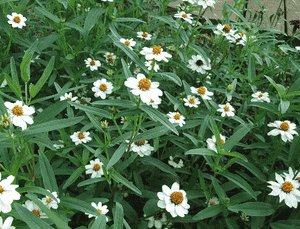
Excellent for garden edges, Narrow leaf zinnia brings vivid hues and grace to outdoor spaces.
2
Narrow leaf zinnia withstands dry conditions and requires minimal care, perfect for active gardeners.
3
Draws in beneficial insects, such as bees and butterflies, enhancing ecological variety.
Why Cultivate Narrow Leaf Zinnia in Your Garden?
Ecological Advantages
A primary reason to cultivate Narrow leaf zinnia in your garden is its positive ecological impact. This plant is highly effective in promoting sustainability. Its capacity to flourish in subpar soil conditions means it requires minimal fertilizer, thereby reducing the need for chemical inputs detrimental to the environment. Furthermore, Narrow leaf zinnia is recognized for its drought resistance, necessitating less water compared to many other garden flora. This makes it an excellent option for gardeners aiming to conserve water and lessen their environmental footprint.
Pollinator Attraction
Another significant advantage of Narrow leaf zinnia is its ability to draw in pollinators. Bees, butterflies, and other beneficial insects are attracted to its vibrant blossoms, making it a crucial addition to any garden focused on fostering biodiversity. Pollinators play a vital role in food production and ecosystem health, and by planting Narrow leaf zinnia, you contribute to the support of these essential creatures.
How Does Narrow Leaf Zinnia Improve Garden Appearance?
Vivid Hues and Cultivars
Narrow leaf zinnia presents a stunning assortment of colors and varieties, making it a versatile choice for adding visual appeal to your garden. From bold oranges and reds to soft pinks and whites, the flowers of Narrow leaf zinnia can be utilized to create striking borders, highlight pathways, or serve as a vibrant focal point in mixed flower beds. The option to select from various colors enables gardeners to design landscapes that reflect their individual style and preference.
Extended Bloom Duration
A prominent characteristic of Narrow leaf zinnia is its prolonged flowering period. Unlike some plants that may offer only a brief floral display, Narrow leaf zinnia can bloom continuously from late spring through autumn. This extended blooming season ensures that your garden remains colorful and lively for a longer duration, providing continuous enjoyment and visual charm.
What Makes Narrow Leaf Zinnia a Garden-Friendly Plant?
Minimal Upkeep Requirements
Beyond its aesthetic and environmental benefits, Narrow leaf zinnia is also praised for its low maintenance needs. This plant is remarkably resilient and can thrive with little care, making it an ideal selection for both experienced and novice gardeners. Narrow leaf zinnia is resistant to many common garden pests and diseases, meaning it requires less intervention and fewer chemical treatments to remain healthy. Its robust nature allows it to endure varying weather conditions, ensuring continuous growth and flowering with minimal effort.
Landscaping Adaptability
Narrow leaf zinnia is highly adaptable when it comes to landscaping applications. Whether you aim to create a lush ground cover, add height with taller types, or introduce colorful container plants, Narrow leaf zinnia can fulfill a wide range of gardening demands. This flexibility makes it a valuable asset to any garden, allowing you to experiment with diverse design concepts and landscaping ideas. Its capacity to integrate seamlessly with other plants enhances the overall visual appeal of your garden, ensuring a cohesive and beautiful landscape.
How to Successfully Grow Narrow Leaf Zinnia?
Optimal Growth Conditions
To achieve the best results with Narrow leaf zinnia, it's crucial to understand and provide the ideal growing environment. This plant flourishes in full sun, needing at least six to eight hours of direct sunlight daily. While it can tolerate poor soil, well-drained soil is perfect for optimal development. Consistent watering is essential, particularly during the initial establishment phase, but once mature, Narrow leaf zinnia can withstand dry spells. Applying mulch around the plant's base can help retain soil moisture and regulate temperature, promoting healthier growth.
Propagation Methods
Narrow leaf zinnia can be propagated using seeds or cuttings. Starting from seeds is an economical way to grow this plant, and it's straightforward. Sow seeds directly into the soil after the risk of frost has passed, and thin the seedlings to prevent overcrowding. Alternatively, cuttings from mature plants can be rooted in soil to produce new plants. This technique can be advantageous for gardeners wishing to replicate specific flower colors or variations. Regular removal of spent flowers encourages continuous blooming and prevents the plant from becoming leggy.
Which Companion Plants Pair Well with Narrow Leaf Zinnia?
Complementary Plant Choices
Selecting the appropriate companion plants can enhance both the health and beauty of your garden. Narrow leaf zinnia harmonizes well with other drought-tolerant plants such as lavender, echinacea, and salvia. These plants not only share similar water and sunlight requirements but also create a visually appealing combination of colors and textures. Additionally, incorporating plants that attract beneficial insects can further strengthen your garden's ecosystem.
Establishing a Pollinator-Friendly Garden
To maximize the benefits of Narrow leaf zinnia in your garden, consider creating an environment conducive to pollinators. Planting a variety of flowering plants that bloom at different times throughout the season ensures a steady food source for pollinators. Native plants are particularly effective in supporting local pollinator populations. By designing your garden with these principles in mind, you can cultivate a thriving, biodiverse habitat that benefits both your plants and the environment.



