The Zingiber officinale Plant Advantage: Maximizing Home and Office Appeal and Wellness
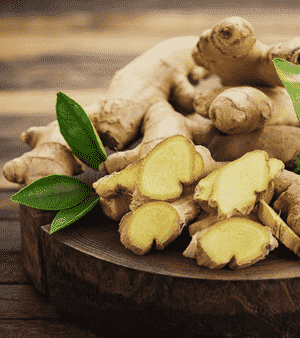
1
This adaptable botanical has been utilized for ages across diverse societies due to its powerful characteristics.
2
It can be readily integrated into your everyday nutrition via infusions, blended drinks, and culinary preparations.
3
Recognized for its fragrant attributes, it is a favored selection for augmenting the taste of both sugary and piquant meals.
What Makes Ginger Unique?
Historical Significance
Ginger has been a vital element in various traditional practices for millennia. Its origins trace to Southeast Asia, where it was valued for both its taste and adaptability. Ancient texts document its widespread use in old remedies and as a trade item along spice routes.
Nutritional Profile
Ginger is rich in essential nutrients. It contains vitamins B and C, magnesium, manganese, and copper. These nutrients are crucial for maintaining health, from bone development to energy production.
Aromatic and Flavorful
Beyond its nutritional worth, Ginger is prized for its distinct aroma and taste. Its spicy, peppery essence with a hint of lemon makes it a favorite in both sweet and savory dishes. This unique flavor profile has made it an indispensable component in diverse culinary traditions.
How Can Ginger Improve Your Well-Being?
Enhanced Digestion
Adding Ginger to your diet can significantly aid your digestive system. Its natural compounds help stimulate saliva, bile, and gastric enzyme production, promoting smoother digestion. It's often suggested as a natural remedy for indigestion and discomfort.
Boosts Immunity
Regular Ginger consumption can strengthen your immune system, thanks to its antioxidant properties. It helps neutralize free radicals, which are unstable molecules that can cause cellular damage. Including Ginger in your diet can be a proactive approach to maintaining overall health.
Natural Anti-Inflammatory
Ginger's anti-inflammatory properties are well-established. It can reduce inflammation and swelling, making it a valuable addition to your diet if you're seeking natural ways to support joint health and alleviate discomfort.
How to Incorporate Ginger into Your Daily Routine?
Culinary Uses
Ginger can be utilized in countless recipes. From teas and soups to smoothies and sauces, the possibilities are endless. Fresh Ginger can be grated or sliced and added to dishes during cooking. Ground Ginger can be incorporated into baking recipes or sprinkled over foods for a spicy kick.
Beverages and Tonics
Ginger tea is a popular choice for those looking to enjoy its benefits in a warm, comforting drink. You can also add it to your morning smoothie for an extra nutrient boost. Making a simple Ginger tonic with water, honey, and lemon can be a refreshing and healthy start to your day.
Home Remedies
Due to its aromatic and warming qualities, Ginger is often used in various home remedies. A common application is a Ginger compress, which can be applied to areas of discomfort. Additionally, Ginger oil or extracts can be used in aromatherapy to promote relaxation and wellness.
Why Should You Grow Ginger at Home?
Ease of Cultivation
Ginger is relatively simple to grow at home, making it a great option for both novice and experienced gardeners. It thrives in warm, humid conditions and can be grown in pots or garden beds. Planting Ginger in your garden ensures you have a fresh, organic supply year-round.
Sustainability
Growing your own Ginger contributes to sustainable living. It reduces the need for store-bought options, which may involve packaging and transportation. Plus, having a home-grown supply ensures you get the freshest product with the highest nutritional value.
Aesthetic and Functional
Beyond its practical uses, Ginger plants add a tropical touch to your garden. Their lush, green leaves and unique growth patterns make them attractive features in any home garden. Additionally, cultivating your own Ginger can be a rewarding and therapeutic hobby.
Frequently Asked Questions About Ginger
What is the Best Way to Store Ginger?
Ginger should be kept in a cool, dry place, away from direct sunlight. Fresh Ginger can be stored in the refrigerator to extend its shelf life. For long-term storage, consider freezing Ginger in small portions.
Can Ginger Be Used in Desserts?
Absolutely! Ginger adds a delightful spicy note that pairs well with sweet ingredients. It's commonly used in cookies, cakes, and even ice cream. Experimenting with Ginger in desserts can open up a whole new realm of flavors.
Is Ginger Safe for Everyone to Consume?
While Ginger is generally safe for most people, it is always advisable to consult with a healthcare provider if you have any specific dietary restrictions or health concerns. As with any food, moderation is key to enjoying its benefits without adverse effects.



