The Rain lily Plant Advantage: Maximizing Home and Office Appeal and Wellness
1
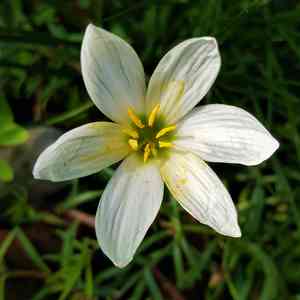
Rain lily is recognized for its beautiful, fragile blossoms that appear several times annually.
2
This plant flourishes in both direct sunlight and filtered light, making it adaptable for diverse garden environments.
3
Cultivating Rain lily can enhance your garden's beauty while requiring minimal upkeep.
Benefits of Cultivating Rain Lily
Visually Appealing Blossoms
A primary advantage of cultivating Rain lily in your garden is its magnificent floral display. This plant produces delicate flowers that bloom multiple times annually, enhancing the aesthetic charm of any garden space. The blossoms are typically white, lending an air of elegance and grace to your landscape. Since Rain lily flowers repeatedly, you'll enjoy a vibrant, ever-changing garden that captures attention throughout the year.
Minimal Upkeep Requirements
Rain lily is a relatively low-maintenance plant, making it perfect for gardeners who have limited time for plant care. This plant thrives in diverse conditions and doesn't demand extensive watering or fertilization. Its bulbs are resilient and can endure periods of drought, making Rain lily an excellent choice for both experienced and novice gardeners. Furthermore, it resists most pests, reducing concerns about plant diseases and infestations.
Successful Rain Lily Cultivation Guide
Optimal Growth Conditions
Rain lily can adapt to various environmental settings, though it flourishes best in full sun to partial shade. Planting it in well-drained soil will prevent root waterlogging. If you're planting Rain lily in a garden bed, ensure the area is slightly elevated or thoroughly tilled to promote optimal drainage. This adaptable plant can also grow in pots, making it suitable for indoor gardens or smaller outdoor areas like patios and balconies.
Planting and Care Advice
To plant Rain lily, position the bulbs approximately an inch below the soil surface, spacing them a few inches apart to allow for growth. Water them thoroughly after planting, then water sparingly, allowing the soil to dry out between watering sessions. You may fertilize lightly during the growing season, but excessive fertilization is unnecessary and can harm the plant. If you notice fading blooms, deadheading the flowers will encourage new growth and maintain the plant's neat appearance.
Rain Lily's Versatility Explained
Adaptability Across Climates
Another attractive characteristic of Rain lily is its ability to adapt to different climates. Whether you reside in a region with mild summers or harsh winters, Rain lily can typically withstand a range of temperatures. During colder months, the plant may enter dormancy, only to rebloom when conditions improve. This seasonal adaptability ensures your garden remains lively and colorful, regardless of geographical location.
Landscape Design Flexibility
Rain lily can be incorporated into various landscape designs, from traditional garden beds to modern, minimalist arrangements. It can serve as a lush ground cover or be used to create stunning focal points in garden borders or container displays. Its capacity to thrive in diverse settings makes it a flexible addition to any garden plan. Moreover, the plant's blooms can be utilized in floral arrangements, adding another layer of usefulness.
Environmental Benefits of Rain Lily
Pollinator Attraction
Beyond its visual appeal, Rain lily contributes to supporting local ecosystems, particularly by drawing in pollinators. Its flowers are a rich source of nectar that attracts a variety of insects, including bees and butterflies. By planting Rain lily, you're aiding the health of your garden's pollinator population, which in turn supports a more vibrant and productive plant ecosystem.
Soil Health Enhancement
Cultivating Rain lily can also offer indirect environmental advantages, such as improving soil health. The plant's root system helps to aerate the soil, enhancing its structure and improving water drainage. Over time, this can lead to healthier soil overall, making it easier for other plants in your garden to flourish. Additionally, its low maintenance needs mean fewer chemical fertilizers and pesticides are required, reducing your garden's environmental impact.



