The Japanese zelkova Plant Advantage: Maximizing Home and Office Appeal and Wellness
1
Japanese zelkova offers superb shade and resists fracturing, making it perfect for city environments.
2
Japanese zelkova's timber is prized in furniture production for its durability and appealing look.
3
The broad root network of Japanese zelkova aids in preventing soil loss and firming up the earth.
Why Should You Consider Planting Japanese zelkova?
Environmental Benefits
Japanese zelkova excels at fostering a healthier environment. A key attribute is its extensive root system, which aids in preventing soil erosion and stabilizing the ground. This makes it an excellent choice for sloped areas or locations prone to erosion. Furthermore, the tree's dense foliage offers superb shade, making it perfect for urban settings where heat reduction is crucial.
Air Quality Improvement
Trees are natural air purifiers, and Japanese zelkova is no exception. It absorbs pollutants like carbon dioxide, sulfur dioxide, and nitrogen oxides, converting them into oxygen through photosynthesis. This not only enhances air quality but also contributes to the ecosystem's overall health. By planting Japanese zelkova, you positively impact the environment by lowering pollution levels and promoting a cleaner atmosphere.
How Does Japanese zelkova Benefit Urban Landscapes?
Shade and Cooling
Japanese zelkova is particularly well-suited for urban environments due to its capacity to provide ample shade. Urban areas often experience the 'heat island' effect, where structures and pavement absorb and retain heat. Planting Japanese zelkova can help alleviate this issue by offering a natural cooling effect, reducing the need for artificial cooling and thus lowering energy consumption.
Aesthetic Value
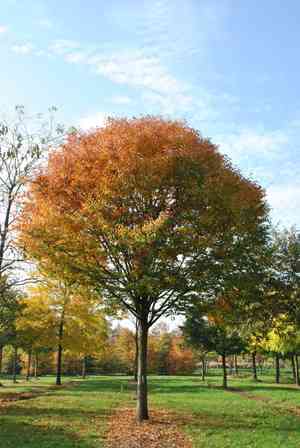
Beyond its practical advantages, Japanese zelkova adds significant visual appeal to any landscape. Its attractive bark and vibrant leaves make it a popular choice for parks, streets, and gardens. The tree's elegant form and seasonal color changes provide visual interest throughout the year, enhancing the beauty of urban spaces and contributing to the community's overall well-being.
What Are the Practical Uses of Japanese zelkova Wood?
Furniture Making
The wood of Japanese zelkova is highly valued in the furniture industry for its strength and appealing look. Its fine grain and rich color make it a favored material for crafting high-quality furniture pieces. The wood also resists splitting and breaking, ensuring longevity and durability in furniture items.
Construction Material
In addition to furniture making, Japanese zelkova wood is also utilized in construction. Its robust nature makes it ideal for building sturdy structures. The wood's natural resistance to pests and environmental wear ensures that constructions made from Japanese zelkova will endure over time. This makes it a sustainable and dependable option for various building projects.
How Does Japanese zelkova Contribute to Wildlife?
Habitat Provision
Japanese zelkova plays a vital role in supporting local wildlife by offering essential habitat features. Birds, insects, and small mammals find shelter and nesting sites within its branches and trunk. This contributes to the area's biodiversity, fostering a healthier and more balanced ecosystem.
Food Source
Japanese zelkova also serves as a crucial food source for various creatures. Its leaves and bark are consumed by numerous insects, which in turn provide sustenance for birds and other predators. This interconnected food web helps maintain ecological balance and supports the survival of multiple species.
Is Japanese zelkova Easy to Maintain?
Low Maintenance Requirements
One of the appealing aspects of Japanese zelkova is its minimal maintenance needs. Once established, the tree is relatively self-sufficient and resilient. It tolerates various weather conditions and requires little pruning, making it an attractive option for those seeking a beautiful yet low-upkeep addition to their landscape.
Pest and Disease Resistance
Japanese zelkova is also known for its resilience to common pests and diseases. This hardiness reduces the need for chemical treatments and interventions, making it a more sustainable and eco-friendly choice. Its natural robustness ensures it remains healthy and vigorous with minimal care, providing long-term benefits to the environment and its caretakers.



