The Coontie Plant Advantage: Maximizing Home and Office Appeal and Wellness
1
Coontie is recognized for its effectiveness in preventing soil erosion because of its extensive root network.
2
This flora provides sustenance for diverse fauna, serving as nourishment for butterflies and other beneficial insects.
3
Coontie requires minimal upkeep, rendering it perfect for both home and business outdoor designs.
How Does Coontie Contribute to Erosion Control?
Deep Root System
Coontie possesses a robust and extensive root network that aids in stabilizing soil and preventing its loss. This renders it especially valuable in areas prone to soil degradation from heavy rainfall or strong winds. The roots form an intricate underground web, effectively binding the soil and decreasing runoff.
Applications in Landscaping and Land Reclamation
Due to its capacity for erosion prevention, Coontie finds widespread use in landscape projects and land restoration endeavors. Its ability to flourish in poor soil conditions and withstand harsh weather makes it an excellent option for rehabilitating degraded lands and safeguarding them from further erosion.
Why is Coontie a Friend to Wildlife?
Food Source for Pollinators
Coontie serves as a vital nutritional source for various pollinators, including butterflies and bees. The plant's seeds and foliage offer essential sustenance, contributing to the preservation of local biodiversity and supporting pollinator populations crucial for ecosystem health.
Habitat for Wildlife
Beyond providing sustenance, Coontie offers a natural dwelling for numerous small wildlife species. Its dense foliage can furnish cover and refuge for insects, birds, and small mammals, fostering a balanced and flourishing mini-ecosystem around it.
What Makes Coontie Ideal for Sustainable Landscaping?
Low Maintenance Requirements
Coontie is recognized for its minimal upkeep needs, thriving with little water and care once established. This positions it as an ideal plant for sustainable landscaping projects in both residential and commercial settings, helping to conserve water and lessen the demand for chemical fertilizers and pesticides.
Aesthetic Appeal
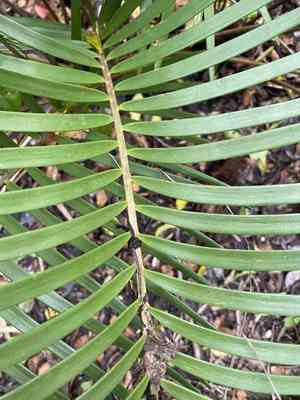
Beyond its practical advantages, Coontie imparts a lush, tropical aesthetic to landscapes. Its striking green foliage maintains its appearance year-round, adding visual interest and natural beauty to gardens, parks, and urban green spaces. This blend of utility and beauty has made it a favored choice among landscapers and gardeners alike.
Can Coontie Be Used in Commercial Applications?
Fibers and Extracts
Coontie has been employed in various commercial uses due to its fibrous characteristics. Its strong, durable fibers can be extracted and utilized for a range of purposes, including crafting and industrial applications. The plant also yields extracts that have been used in traditional crafts and other industries.
Sustainable Practices
The use of Coontie in commercial applications signifies a shift towards more environmentally friendly methods. As a resilient and readily renewable resource, it minimizes the ecological impact left by more conventional materials. By integrating Coontie into product lines, companies can promote sustainability and make eco-conscious decisions.
How Can You Incorporate Coontie in Your Garden?
Planting and Care Tips
To integrate Coontie into your garden, begin by selecting a well-draining site with partial to full sun exposure. Plant it in soil that accommodates its deep roots, and water it regularly during its initial growth phase. Once established, Coontie requires minimal water, making it a drought-tolerant addition to your garden.
Companion Planting
Coontie pairs well with various companion plants that share similar soil and light conditions. Consider planting it alongside other drought-resistant plants like succulents or native grasses to create a cohesive and visually appealing landscape. Its suitability for mixed plantings can enhance biodiversity and foster a resilient garden ecosystem.



