The Aloe yucca Plant Advantage: Maximizing Home and Office Appeal and Wellness
1
Aloe yucca flourishes even in infertile ground and arid environments.
2
Its root system aids in preventing soil degradation, fostering a robust ecosystem.
3
This plant finds diverse applications in traditional artistry, highlighting its adaptability.
What Environmental Benefits Does Aloe yucca Offer?
Soil Enhancement
Aloe yucca significantly improves soil quality, particularly in areas with poor soil. Its deep root systems help aerate the soil, creating channels for water and nutrients to penetrate deeper. This is especially beneficial in arid and semi-arid regions where soil fertility is often compromised.
Erosion Control
A key advantage of Aloe yucca is its ability to prevent soil erosion. The plant's extensive root network firmly anchors the soil, reducing its displacement by rain or wind. This preserves landscape integrity and supports other plant life by retaining nutrient-rich topsoil.
How Does Aloe yucca Support Local Ecosystems?
Habitat for Wildlife
Aloe yucca plays a vital role in supporting local ecosystems. Its dense foliage offers shelter for various small animals and insects, boosting biodiversity. Additionally, its flowers attract pollinators like bees and butterflies, further strengthening the ecological web.
Water Conservation
Given its native arid environment, Aloe yucca has adapted to thrive with minimal water. This trait makes it ideal for xeriscapingâlandscaping with drought-tolerant plants. Integrating Aloe yucca into gardens and public spaces can significantly reduce water usage, promoting sustainability.
What Are the Practical Uses of Aloe yucca?
Traditional Crafts
Aloe yucca has a history of use in various traditional crafts. Its sturdy leaves were often used to weave baskets, mats, and ropes. This highlights the plant's versatility and its cultural importance in different communities.
Landscaping and Aesthetic Appeal
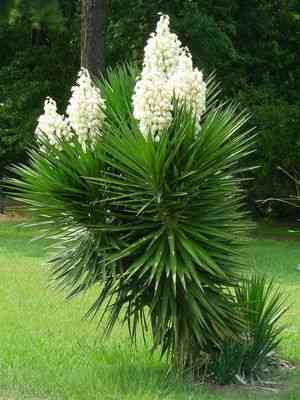
Aloe yucca offers a unique aesthetic that can enhance any landscape's visual appeal. Its spiky leaves and tall flower stalks create a striking focal point in gardens, parks, and urban green spaces. Furthermore, it's low-maintenance, suiting those who want to beautify their surroundings without extensive care.
How to Cultivate and Care for Aloe yucca?
Ideal Growing Conditions
Aloe yucca thrives in well-draining soil and needs minimal watering once established. It prefers full sun but can tolerate partial shade. The plant is robust and can endure various environmental stresses, making it an excellent choice for regions with challenging growing conditions.
Propagation Methods
Aloe yucca can be propagated via seeds, cuttings, or division. For best results, sow seeds in a sandy, well-draining mix and keep them warm. Cuttings should be allowed to dry slightly before planting to prevent rot, while division is best done during the growing season for quick recovery.
Can Aloe yucca Be Integrated into Sustainable Practices?
Permaculture Design
Due to its drought resistance and low nutrient needs, Aloe yucca is a great addition to permaculture designs. It can serve as a living mulch to protect soil and retain moisture, or as a structural plant in various permaculture zones.
Renewable Resources
The versatility of Aloe yucca extends to its potential as a renewable resource. Its leaves and fibers can be harvested sustainably, providing raw materials for various crafts and industries without long-term harm to the plant. This makes it suitable for eco-friendly product development.



