The Xanthoceras sorbifolium Plant Advantage: Maximizing Home and Office Appeal and Wellness
1
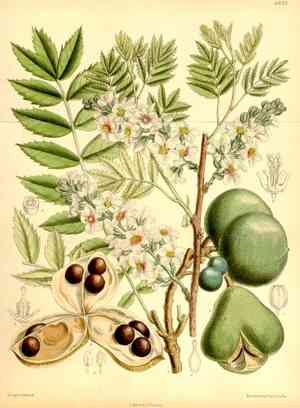
The extract from Xanthoceras sorbifolium seeds is recognized for its remarkable hydrating qualities.
2
Xanthoceras sorbifolium flourishes in infertile ground, positioning it as a superb choice for ecological recovery.
3
Its blossoms draw in beneficial insects, thereby bolstering regional ecological diversity.
What Makes Xanthoceras sorbifolium Special?
Rich Nutritional Profile
Among the many advantages of Xanthoceras sorbifolium, its dietary value is prominent. The seeds of Xanthoceras sorbifolium are abundant in vital fatty acids, which are essential for maintaining healthy skin and hair. Furthermore, these seeds are a good source of protein, making them a valuable addition to any diet. This nutritional richness makes the plant a versatile resource for both health and wellness.
Environmental Benefits
Beyond its health advantages, Xanthoceras sorbifolium also benefits the environment. A remarkable characteristic of the plant is its capacity to grow in poor soil, thereby aiding in land restoration. By cultivating Xanthoceras sorbifolium, we can revitalize degraded land and promote biodiversity. Additionally, the flowers of Xanthoceras sorbifolium attract a diverse range of pollinators, including bees and butterflies, who in turn support other plant species in the ecosystem.
How Can Xanthoceras sorbifolium Benefit Your Skin?
Natural Moisturizer
The oil extracted from Xanthoceras sorbifolium seeds has gained recognition for its powerful moisturizing properties. Rich in fatty acids and antioxidants, this oil can effectively rejuvenate and hydrate the skin. It is particularly beneficial for those with dry or sensitive skin, offering a natural and chemical-free alternative to commercial skincare products.
Anti-aging Properties
In addition to its hydrating effects, the antioxidants in Xanthoceras sorbifolium oil help combat the signs of aging. Regular application can diminish the appearance of fine lines and wrinkles, giving the skin a youthful radiance. This makes Xanthoceras sorbifolium a valuable component in anti-aging skincare routines.
Why is Xanthoceras sorbifolium Important for Sustainable Agriculture?
Soil Improvement
One of the key attributes of Xanthoceras sorbifolium is its ability to thrive in challenging soil conditions, making it an excellent candidate for enhancing soil health. The plant's root system helps prevent soil erosion, and its organic matter enriches the soil with nutrients. This can make the land more fertile and suitable for other crops over time.
Low Water Requirement
In an era where water conservation is crucial, Xanthoceras sorbifolium offers an eco-friendly advantage. The plant requires relatively small amounts of water to grow, making it ideal for arid and semi-arid regions. By cultivating Xanthoceras sorbifolium, farmers can conserve water while still achieving productive yields.
Can Xanthoceras sorbifolium Support Local Economies?
Economic Opportunities
The versatility of Xanthoceras sorbifolium provides multiple avenues for economic advantages. Its seeds can be processed into oil, which can be marketed for both culinary and skincare purposes. This creates opportunities for small businesses and local farmers to access new markets, thereby boosting local economies.
Job Creation
The cultivation and processing of Xanthoceras sorbifolium can also lead to employment generation in rural areas. From planting and harvesting to processing and marketing, various stages of the supply chain require labor, thus providing job opportunities and contributing to economic development.
Is Xanthoceras sorbifolium Beneficial for Wildlife?
Wildlife Habitat
The dense foliage of Xanthoceras sorbifolium provides excellent refuge and food sources for various wildlife species. From birds to small mammals, numerous creatures can find shelter within the plant's structure. This enhances local biodiversity and helps maintain balanced ecosystems.
Pollination Support
Xanthoceras sorbifolium flowers are known for attracting pollinators such as bees and butterflies. These pollinators are vital for the reproductive success of many plant species, fostering greater biodiversity and healthier ecosystems. By planting Xanthoceras sorbifolium, we can offer essential resources to these important insects.



