The Wine grape Plant Advantage: Maximizing Home and Office Appeal and Wellness
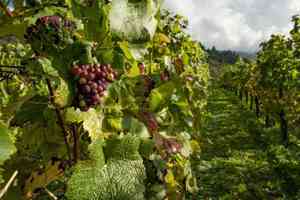
1
Grapevines are rich in antioxidants, contributing to general well-being.
2
This crop is crucial for preventing soil degradation in viticultural areas.
3
It is a key ingredient in crafting wines celebrated for their unique tastes.
How Does Wine grape Contribute to Health and Wellness?
The Power of Antioxidants
Wine grape is notable for its rich antioxidant content, including flavonoids, resveratrol, and tannins. These compounds are recognized for their capacity to combat oxidative stress within the body. Regular intake of Wine grape products, such as grape juice and wine, can help neutralize harmful free radicals, potentially lowering the risk of chronic illnesses.
Boosting Heart Health
Cardiovascular well-being is significantly enhanced by incorporating Wine grape into one's diet. The antioxidants present in Wine grape have been shown to improve blood vessel function, decrease detrimental cholesterol levels, and reduce inflammation. This can lead to a healthier heart and diminish the likelihood of heart-related conditions.
What Are the Environmental Benefits of Wine grape?
Preventing Soil Erosion
Vineyards planted with Wine grape aid in preserving soil integrity. The deep root systems of the vines stabilize the earth, reducing erosion and fostering better water absorption. This is particularly relevant in hilly areas where soil degradation can be a major concern.
Supporting Biodiversity
Wine grape cultivation promotes biodiversity by offering a habitat for various species. The vines and surrounding areas become home to beneficial insects, birds, and other wildlife, nurturing a balanced ecosystem that contributes to the overall health of the environment.
How Wine grape Enhances Culinary Experiences
The Phenomenal Flavors in Wines
Wine grape is essential for crafting wines renowned for their distinct and diverse flavors. The wide array of wines made from Wine grape includes reds, whites, and rosés, each providing a unique taste profile that can complement various cuisines. The intricate balance of sugars, acids, and tannins in Wine grape wine makes it a favorite among connoisseurs.
Versatility in Recipes
Beyond wine, Wine grape can be used in various forms in cooking. Fresh grapes, grape juice, raisins, and grape leaves are all utilized in culinary traditions globally. The adaptability of Wine grape allows it to be an exciting addition to salads, desserts, sauces, and even main dishes, enhancing the flavor and nutritional value of meals.
Economic and Cultural Importance of Wine grape
A Cornerstone in Agroeconomy
Wine grape is a significant contributor to the agricultural economic sector, especially in regions famous for their wine production. The cultivation and harvesting of Wine grape generate substantial employment and economic activity, sustaining local economies and communities. The wine industry's global reach further highlights the economic importance of Wine grape.
Cultural Heritage and Tourism
The cultural significance of Wine grape extends beyond economics. Many cultures with rich wine traditions celebrate Wine grape through festivals, tours, and culinary ventures. Wine tourism, in particular, attracts millions of visitors annually to vineyards, fostering cultural exchange and appreciation while boosting local tourism industries.
Sustainable Practices in the Cultivation of Wine grape
Organic and Biodynamic Farming
Sustainable cultivation methods for Wine grape are gaining popularity, with many vineyards adopting organic and biodynamic farming approaches. These practices avoid synthetic pesticides and fertilizers, opting instead for natural alternatives. This not only yields healthier grapes but also minimizes environmental impact, promoting ecological balance.
Water Management Techniques
Efficient water management is vital for the sustainable cultivation of Wine grape. Techniques such as drip irrigation, rainwater harvesting, and soil moisture monitoring ensure that water resources are used wisely. These methods help conserve water and ensure that vines receive the optimal amount of hydration necessary for high-quality grape production.



