The Riverbank grape Plant Advantage: Maximizing Home and Office Appeal and Wellness
1
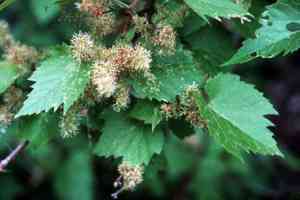
Vitis riparia is a robust climbing plant perfect for ornamental gardens and ecological restoration.
2
The berries from Vitis riparia are frequently utilized in homemade preserves, spreads, and fermented beverages.
3
Vitis riparia offers crucial shelter and sustenance for numerous animal populations.
What Makes Riverbank Grape Distinctive?
Resilience and Development
Riverbank grape is recognized for its hardiness and flexibility. It flourishes in diverse soil conditions and is especially suited for riparian zones and forest edges. This durability makes it a favored option for naturalistic landscaping. The plant can grow quickly, often reaching lengths of up to 35 feet, offering superb coverage for supports, barriers, and overhead structures.
Appealing Leaves and Blooms
Beyond its tough nature, Riverbank grape also features attractive foliage and flowers. Its leaves are typically large and lobed, presenting a vibrant green appearance throughout the growing period. In spring, it produces clusters of small, fragrant blossoms that are not only visually pleasing but also draw in pollinators like bees and butterflies.
Environmental Advantages
Erosion Prevention
A significant environmental benefit of Riverbank grape is its capacity to control soil erosion. The plant's extensive root system helps stabilize the ground, particularly in areas prone to washing away, such as riverbanks and slopes. This makes it an excellent choice for preventing soil degradation and preserving landscape integrity.
Wildlife Sanctuary
Riverbank grape plays a vital role in the ecosystem by providing shelter and sustenance for various animal species. Birds, in particular, are drawn to its dense leaves for nesting and its abundant fruits as a food source. Mammals like deer and small rodents also benefit from the protection and nourishment it offers.
Practical Applications
Culinary Uses
The fruits of Riverbank grape are small, dark berries that are rich in taste and versatile in cooking. They can be used to create homemade preserves, jellies, and even wines. In addition to their gastronomic uses, these berries are packed with antioxidants, making them a healthy addition to your diet.
Ornamental Purposes
Beyond its edible fruits, Riverbank grape is frequently used for decorative purposes. Its rapid growth and lush foliage make it perfect for creating natural screens or enhancing garden aesthetics. It can be trained to ascend trellises, arbors, and fences, adding a touch of natural beauty to any setting.
How to Cultivate and Care for Riverbank Grape?
Planting Advice
When planting Riverbank grape, select a spot that receives full sun to partial shade. Although the plant adapts well to various soil types, it prefers well-drained soil. Ensure the planting location has ample room for the vine to expand and climb.
Upkeep and Trimming
Riverbank grape requires minimal care once established. Consistent watering during the initial growth phase will help it develop a strong root system. Pruning is crucial to manage its growth and maintain its form. Cut back the vine during late winter or early spring to encourage new growth and prevent it from becoming too unruly.



