The Marsh violet Plant Advantage: Maximizing Home and Office Appeal and Wellness
1
This plant flourishes in moist, dim environments, making it an excellent choice for naturalized garden spaces.
2
Marsh violet provides environmental advantages, aiding local fauna and biological diversity.
3
Perfect for effortless gardens, it needs little attention yet offers a vibrant look.
How Does Marsh violet Enhance Garden Aesthetics?
Visual Appeal
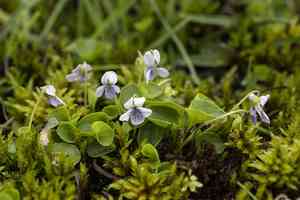
A prominent characteristic of Marsh violet is its delicate yet captivating blossoms. These flowers, frequently displaying a violet hue, introduce a burst of color that can enliven dim, shaded garden spots. Its heart-shaped foliage adds a refined touch, forming an attractive ground cover that complements various garden styles, from rustic to modern.
Seasonal Beauty
While Marsh violet is primarily valued for its spring blooms, it also offers year-round charm. Its leaves maintain their vibrancy throughout the growing season, and in many climates, they stay lush even into late autumn. This ensures your garden retains an inviting appearance well past the main flowering period.
What Are the Ecological Benefits of Marsh violet?
Supporting Local Wildlife
Marsh violet plays a vital role in sustaining local ecosystems. It supplies nectar and pollen for pollinators like bees and butterflies, thereby supporting the health and diversity of these crucial insects. Furthermore, its dense foliage provides refuge and foraging areas for various small creatures, enriching your garden's ecological diversity.
Soil Health and Moisture Retention
One of the less obvious yet significant advantages of Marsh violet is its contribution to soil health. Its extensive root system helps stabilize the soil, reducing erosion and improving water absorption. This not only preserves soil structure but also supports the moisture requirements of nearby plants, fostering a more resilient garden ecosystem.
How to Cultivate Marsh violet in Your Garden?
Optimal Growing Conditions
For Marsh violet to flourish, it requires specific growing conditions that mimic its natural environment. It prefers moist, shaded, or partially shaded locations, making it ideal for planting in woodland gardens, beneath trees, or alongside water features. The soil should be rich in organic matter and drain well to prevent waterlogging, which can harm the plant's health.
Planting and Maintenance Tips
Marsh violet is relatively easy to care for once established. Plant it in early spring or fall, ensuring the roots are adequately covered with soil. Consistent watering is crucial during the initial stages, but once settled, Marsh violet can endure brief dry spells. Occasional mulching and removal of dead leaves will keep the plant thriving, providing you with a lush garden with minimal effort.
Why Choose Marsh violet for Low-Maintenance Gardening?
Minimal Care Requirements
A key benefit of incorporating Marsh violet into your garden design is its low maintenance. Compared to other ornamental plants that demand frequent pruning and pest control, Marsh violet requires considerably less attention. Its natural resistance to common pests and diseases means you can enjoy its beauty without constant upkeep.
Sustainable Gardening
Integrating Marsh violet aligns with sustainable gardening practices. Its low water and nutrient demands mean it places less strain on local resources. Moreover, as it requires fewer chemical inputs like fertilizers and pesticides, its cultivation is environmentally friendly, contributing to a healthier, more sustainable garden.
How Can Marsh violet Be Used in Garden Design?
Ground Cover and Borders
Marsh violet is an excellent option for ground cover, especially in shaded garden areas where many plants struggle. It spreads readily, forming a dense mat that suppresses weeds and reduces the need for weeding. Additionally, it can be used to create attractive, natural borders along paths and garden edges, adding texture and continuity to the garden landscape.
Complementary Planting
When planning your garden, consider pairing Marsh violet with other shade-loving plants to create a visually appealing and ecologically balanced space. Ferns, hostas, and other woodland plants make great companions, enhancing the overall aesthetic and creating a cohesive garden environment that supports a diverse range of flora and fauna.



