The Japanese snowball Plant Advantage: Maximizing Home and Office Appeal and Wellness
1
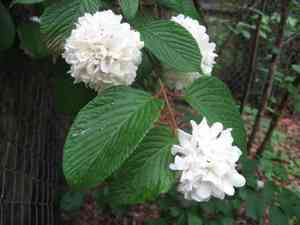
This botanical specimen yields magnificent, spherical flowers that illuminate any landscape.
2
Its thick leafage offers superb ground coverage and prevents soil erosion.
3
It draws in advantageous pollinators, fostering a thriving ecological balance.
What Makes Japanese snowball So Special?
Visual Appeal and Aesthetic Benefits
A striking characteristic of Japanese snowball is its magnificent floral display. This shrub produces large, spherical flower clusters, ranging from white to soft pink, depending on the season and cultivar. These blossoms create a dramatic effect in any garden, serving as a focal point that captures attention and elevates the overall beauty of your outdoor area. Furthermore, the plant's leaves transform into a vibrant red in autumn, adding seasonal interest and year-round charm.
Versatile Landscape Uses
Given its adaptable nature, Japanese snowball integrates well into various garden designs and environments. It can function as a solitary specimen plant or be incorporated into mixed borders to provide texture and contrast. The shrub's dense foliage also makes it an excellent option for hedges and privacy screens. Moreover, Japanese snowball is suitable for both formal and informal garden styles, offering a flexible choice for gardeners of all preferences.
How Can Japanese snowball Benefit Your Garden?
Improved Soil Health and Erosion Control
The robust root system of Japanese snowball plays a crucial role in maintaining soil vitality and preventing erosion. When planted on inclines or areas prone to soil loss, its roots help stabilize the ground, reducing runoff and minimizing the depletion of valuable topsoil. This makes it an ideal plant for erosion-prone landscapes, offering a natural remedy to a common gardening challenge.
Attracting Pollinators and Supporting Wildlife
The vivid blossoms of Japanese snowball act as a magnet for various pollinators, including bees, butterflies, and other beneficial insects. These creatures are vital for pollinating other plants in your garden, leading to increased fruit and flower production. By offering a habitat and food source for pollinators, Japanese snowball contributes to a healthy and balanced ecosystem. Additionally, its dense foliage provides shelter for birds and small mammals, boosting biodiversity in your outdoor space.
Caring for Japanese snowball: Tips for Success
Optimal Growing Conditions
Japanese snowball thrives in well-drained, fertile soil and prefers a location with full sun to partial shade. While it tolerates various soil types, it performs best in slightly acidic to neutral pH levels. Consistent watering is crucial, especially during the plant's establishment phase and dry periods. However, it's important to avoid waterlogged conditions, which can lead to root rot.
Pruning and Maintenance
Pruning is an essential aspect of maintaining the health and appearance of Japanese snowball. The ideal time to prune is immediately after flowering, which allows the plant to develop buds for the subsequent season. Remove any dead, diseased, or damaged branches to encourage healthy growth and improve air circulation. Thinning out crowded branches helps preserve the plant's overall structure and promotes more abundant blooming.
Common Challenges and Solutions
Pests and Diseases
While Japanese snowball is relatively resistant to pests and diseases, it can still be affected by common garden issues such as aphids, scale insects, and fungal infections. Regular inspection and prompt action are key to preventing infestations and outbreaks. Using insecticidal soap and neem oil can effectively manage pests, while proper spacing and pruning can reduce the risk of fungal infections by enhancing air circulation.
Dealing with Environmental Stress
Japanese snowball can occasionally experience stress due to extreme weather conditions, such as prolonged drought or excessive heat. In such instances, providing adequate water and mulch can help the plant retain moisture and alleviate stress. Additionally, selecting a location with partial shade can protect the plant from intense midday sun, ensuring it remains healthy and vibrant throughout the growing season.



