The Mapleleaf viburnum Plant Advantage: Maximizing Home and Office Appeal and Wellness
1
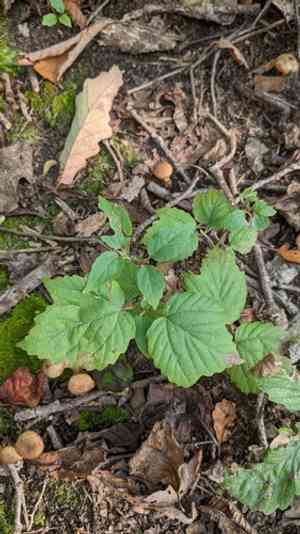
Mapleleaf viburnum offers superb living space and sustenance for local fauna.
2
This plant requires minimal upkeep, making it perfect for novice gardeners.
3
The brilliant autumn leaves of Mapleleaf viburnum improve the visual appeal of any setting.
Why is Mapleleaf Viburnum a Wildlife Attractor?
Offering Sanctuary and Sustenance
A key benefit of cultivating Mapleleaf viburnum is its role in aiding local wildlife. Its dense leaves offer perfect refuge for various bird species and small animals, giving them a secure haven. Furthermore, the plant yields tiny berries that serve as a vital food source for birds and other creatures, especially during autumn and winter when provisions are scarce.
Drawing in Pollinators
Beyond providing sustenance and shelter for avian and mammalian life, Mapleleaf viburnum also draws in diverse pollinators, such as bees and butterflies. Its small, white blossoms appear in clusters during spring and early summer, acting as a crucial nectar source. Pollinators are essential to the ecosystem, and their presence in your garden can foster the health and productivity of other flora.
What Makes Mapleleaf Viburnum Perfect for Effortless Gardening?
Simplicity of Cultivation
Mapleleaf viburnum is remarkably simple to cultivate, making it an excellent option for beginner gardeners or those who prefer plants requiring little upkeep. It is highly adaptable, capable of flourishing in various soil types and light conditions. Whether planted in full sun or partial shade, this plant displays vigorous growth with minimal intervention.
Resistance to Pests and Diseases
A prominent characteristic of Mapleleaf viburnum is its resilience against common garden pests and ailments. Unlike many other plants that necessitate frequent pesticide applications, Mapleleaf viburnum largely remains unaffected by most pests and diseases. This inherent resistance further boosts its appeal as a low-maintenance plant.
How Does Mapleleaf Viburnum Enhance Garden Visuals?
Seasonal Allure
Mapleleaf viburnum provides year-round aesthetic appeal, with each season presenting its distinct charm. In spring, the plant's clusters of white flowers create a delicate, elegant display. As seasons shift to autumn, the foliage adopts vivid shades of red, orange, and purple, making it a stunning focal point in any garden.
Adaptability in Landscape Design
This plant's versatility makes it incredibly adaptable in landscape planning. It can be utilized as a hedge, a solitary specimen, or even beneath larger trees where other plants might struggle. Its moderate size and appealing look make it an excellent addition to various garden styles, from formal layouts to more naturalistic environments.
What are the Environmental Advantages of Mapleleaf Viburnum?
Boosting Biodiversity
Integrating Mapleleaf viburnum into your garden can significantly contribute to local biodiversity. By offering a habitat and food sources for various species, this plant helps support a more balanced and resilient ecosystem. Biodiversity in your garden leads to healthier plants and a more sustainable environment overall.
Soil Stabilization
Another environmental benefit of Mapleleaf viburnum is its ability to stabilize soil. The plant's root system helps prevent soil erosion, especially on slopes or areas with loose soil. This not only safeguards your garden but also contributes to soil conservation in the wider landscape.
Is Mapleleaf Viburnum Suitable for City Gardens?
Compact Growth Pattern
For urban gardeners, where space can be limited, Mapleleaf viburnum offers a compact growth habit that makes it an ideal choice. It doesn't demand a large area to thrive and can be easily incorporated into smaller garden plots, patios, or even container gardens.
Air Purification
Urban settings often suffer from poor air quality. Mapleleaf viburnum helps alleviate this issue by acting as a natural air purifier. Its foliage absorbs pollutants and releases oxygen, contributing to a healthier living environment. This makes it a valuable addition to urban gardens focused on improving air quality.
How to Care for Mapleleaf Viburnum Throughout the Year?
Watering and Fertilizing
While Mapleleaf viburnum is a low-maintenance plant, it does benefit from consistent watering, particularly during dry periods. Ensure that the soil remains moist but not waterlogged. Regarding fertilization, a balanced, slow-release fertilizer applied in early spring can support its growth and flowering.
Pruning and Upkeep
Pruning is generally minimal, but removing dead or damaged branches can help enhance the plant's overall appearance and health. It's best to prune Mapleleaf viburnum after it has finished blooming to avoid cutting off next year's flowers. Regular maintenance ensures that your plant stays vibrant and healthy year-round.



