The Fever tree Plant Advantage: Maximizing Home and Office Appeal and Wellness
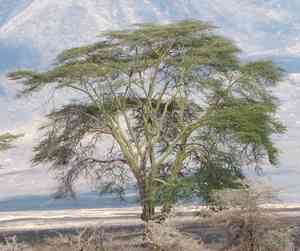
1
The fever tree is recognized for its notable ability to improve soil quality.
2
This species offers shelter and sustenance to diverse animal life.
3
It serves as an outstanding option for preventing soil loss and land degradation.
How Does Fever tree Enhance Ground Quality?
Nitrogen Fixation
Fever tree is a leguminous plant, meaning it can convert atmospheric nitrogen into the soil. Its roots host beneficial bacteria that transform nitrogen gas into forms plants can use, thereby boosting soil fertility. This is especially useful in farming where maintaining soil health is key.
Soil Structure Improvement
The root systems of Fever tree aid in better soil structure by creating pathways that allow for improved water penetration and aeration. This lessens soil compaction and encourages the growth of various microorganisms vital for soil well-being.
What Role Does Fever tree Play in Supporting Wildlife?
Habitat for Birds and Insects
Fever tree offers crucial habitat for many bird species, providing nesting spots and food sources like insects and seeds. The tree's canopy also serves as a refuge for various insects, which in turn attract birds that eat insects.
Food Source for Herbivores
Numerous plant-eating animals, such as giraffes and antelopes, consume the leaves and pods of Fever tree. This tree is therefore essential in the food webs of savanna environments, supporting the survival and health of a wide array of animal species.
How Can Fever tree Combat Soil Erosion and Desertification?
Root Systems and Soil Anchoring
The extensive root systems of Fever tree help secure the soil, lowering the risk of erosion from wind and water. This is particularly important in areas prone to desertification, where preserving soil integrity is crucial for preventing land degradation.
Vegetative Cover
Fever tree contributes to a stable plant cover that shields the soil surface from the erosive forces of rain and wind. By maintaining a protective layer of leaves and roots, this tree acts as a natural barrier against soil erosion, thus preserving the topsoil and its nutrients.
What Are the Landscaping and Aesthetic Benefits?
Ornamental Value
Fever tree is not only practical but also highly decorative. Its striking yellow bark and delicate foliage make it an appealing addition to landscapes and gardens. The visual charm of Fever tree enhances the beauty of any green space.
Shade and Cooling Effects
Planting Fever tree in urban and suburban areas can provide shade and cooling, reducing the urban heat island effect. The treeâs canopy offers a natural way to regulate temperature, making outdoor areas more comfortable and pleasant.
How Does Fever tree Promote Conservation and Sustainability?
Contributing to Biodiversity
By providing habitat and food for various species, Fever tree helps maintain and boost biodiversity. This diversity is vital for resilient and sustainable ecosystems, ensuring that different species can thrive together.
Sustainable Land Management
Fever tree can be incorporated into sustainable land management practices, such as agroforestry and reforestation projects. Its ability to improve soil quality and fight erosion makes it a valuable part of efforts to restore damaged landscapes and promote long-term ecological health.



