The Large-flowered bellwort Plant Advantage: Maximizing Home and Office Appeal and Wellness
1
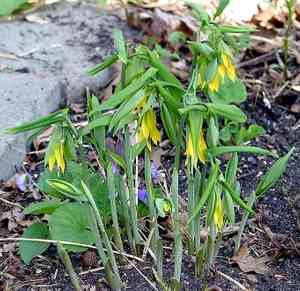
The large-flowered bellwort is recognized for its striking yellow blooms and elegant form.
2
Often encountered in forested garden settings, this plant flourishes in adequately drained soil and dappled light.
3
Its resilience and minimal care requirements make the large-flowered bellwort a preferred choice among gardeners.
What Makes Large-flowered bellwort Unique?
Distinctive Features
The graceful charm of Large-flowered bellwort stems from its pendulous yellow blossoms that appear in spring, typically from April to May. These blooms, resembling small, tubular bells, lend an air of sophistication to any garden. The plant generally reaches a height of about 12 to 18 inches, making it ideal for introducing varied elevations within garden beds. Its leaves, often featuring a gentle twist near their tips, further enhance its singular visual appeal.
Growth and Care Requirements
Large-flowered bellwort thrives best in partial to full shade conditions, frequently found beneath the canopy of deciduous trees. It prefers well-drained, loamy soil, rich in organic matter. Moderate irrigation, especially during dry periods, ensures the plant remains vigorous. Being relatively low maintenance, Large-flowered bellwort demands minimal intervention once established, making it an effortless choice for both new and experienced gardeners.
Aesthetic and Ecological Benefits of Large-flowered bellwort
Enhancing Garden Beauty
With its striking yellow flowers and vibrant green foliage, Large-flowered bellwort provides a refreshing burst of color in shaded garden areas. Its capacity to generate visual interest in underutilized spaces makes it an invaluable addition. The plantâs aesthetic contribution is particularly evident in woodland gardens, where it beautifully complements the natural atmosphere.
Supporting Wildlife
Large-flowered bellwort plays a vital role in sustaining local ecosystems. Its flowers attract pollinators such as bees and butterflies, promoting biodiversity. Furthermore, the plant offers shelter and foraging grounds for small woodland creatures, fostering a symbiotic environment in your yard.
Practical Uses of Large-flowered bellwort in Landscaping
Groundcover and Erosion Control
Large-flowered bellwort is excellent for use as a groundcover beneath larger trees and shrubs. Its dense foliage helps to minimize soil erosion and retain moisture in the soil, contributing to the overall health of your garden. By planting Large-flowered bellwort in areas prone to erosion, you can effectively manage and prevent soil loss.
Complementary Planting
Consider pairing Large-flowered bellwort with other shade-loving plants such as ferns, hostas, and trilliums. This strategic planting not only enhances visual diversity but also builds a robust, resilient garden ecosystem. The different species can complement each other in form and function, leading to a healthier garden space.
Seasonal Care Tips for Large-flowered bellwort
Spring and Summer Care
During the active growth period, ensure that Large-flowered bellwort receives sufficient moisture, especially in arid conditions. Mulching around the base can help to retain soil moisture and suppress weeds. Regularly inspect for signs of pests or diseases, though Large-flowered bellwort is generally quite resilient.
Fall and Winter Care
As Large-flowered bellwort enters dormancy in the colder months, you can trim back the dried foliage to maintain garden neatness. Consider adding a layer of compost or leaf mulch to enrich the soil and shield the roots from extreme temperatures. This preparation will pave the way for vibrant blooms in the spring.
Common Challenges and Solutions
Pests and Diseases
While Large-flowered bellwort is relatively robust, it can occasionally fall victim to pests like aphids or slugs. Natural predators, such as ladybugs, can help control the aphid population. For slugs, consider using organic slug bait or creating physical barriers around the base of the plants.
Environmental Stress
Environmental stressors, such as prolonged drought or insufficient shade, can impact the health of Large-flowered bellwort. Consistent watering and providing adequate shade during extreme heat can alleviate these issues. Additionally, maintaining healthy soil with proper nutrients will support vigorous plant growth.
FAQs About Large-flowered bellwort
Is Large-flowered bellwort Suitable for Container Gardening?
Absolutely! Large-flowered bellwort can flourish in containers provided they offer ample depth and good drainage. Use a high-quality, loamy soil mix and position containers in a shaded spot to mimic its natural environment.
How Do I Propagate Large-flowered bellwort?
Large-flowered bellwort can be propagated by division. In early spring or fall, carefully excavate a mature plant and separate the rhizomes. Replant the divisions at the same depth as the original plant, ensuring adequate spacing for future development.



