The Graceful cattail Plant Advantage: Maximizing Home and Office Appeal and Wellness
1
Typha laxmannii is recognized for its capacity to halt soil degradation and secure marshlands.
2
Certain components of the Typha laxmannii are consumable and suitable for wholesome, organic eating plans.
3
This flora offers a natural dwelling for diverse animal species, enhancing ecological variety.
What is Graceful cattail?
Characteristics of Graceful cattail
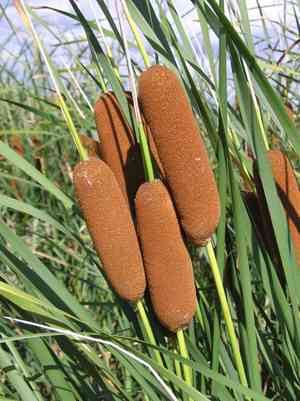
Graceful cattail, a wetland plant, features tall, slender stems topped with distinct cylindrical flower spikes. It thrives in marshy areas, commonly found along pond, lake, and river edges. Its robust, fibrous stalks and deep root system enable it to survive in various waterlogged conditions.
Distribution and Habitat
Graceful cattail is prevalent across a broad geographic range, making it a common sight globally. It prefers wetland environments but can adapt to diverse settings, including disturbed areas where it may help re-establish vegetation and stabilize soil.
How Does Graceful cattail Benefit the Environment?
Erosion Control
A key environmental benefit of Graceful cattail is its capacity to prevent soil erosion. Its extensive root system binds the soil, increasing its resistance to water currents and wind. This function is vital for preserving the integrity of wetlands and other vulnerable areas, ensuring their stability and function.
Water Filtration
Graceful cattail also plays a crucial role in purifying water. As water passes through its dense stands, sediments and pollutants are captured and filtered, leading to cleaner water downstream. This natural filtration system greatly benefits water quality in both natural and constructed wetlands.
What are the Practical Uses of Graceful cattail?
Edibility and Culinary Uses
Notably, various parts of Graceful cattail are edible. Its young shoots can be eaten raw or cooked, offering a nutritious dietary addition. Additionally, its pollen can be collected and used as a flour substitute, broadening the culinary applications of this versatile plant.
Crafting and Material Use
Beyond its food uses, Graceful cattail has numerous applications in crafting and material production. Its fibrous stems can be utilized to create baskets, mats, and even paper. This makes the plant an excellent resource for sustainable, handmade crafts and practical items, reducing reliance on synthetic materials.
How Does Graceful cattail Support Wildlife?
Habitat Provision
The dense growth of Graceful cattail provides essential habitat for diverse wildlife species. Birds, amphibians, and insects all find refuge and breeding grounds within its stalks. This not only supports biodiversity but also enhances the ecological balance of the area.
Food Source for Animals
Graceful cattail serves as a food source for various animals. Many bird species consume its seeds, while mammals may graze on its tender shoots. This interconnected food web highlights the plant's importance within its ecosystem, making it indispensable for maintaining a vibrant, living environment.
How to Grow and Care for Graceful cattail in Your Garden?
Planting Tips
Graceful cattail is relatively simple to introduce to your garden, especially if you have a water feature or a damp spot. Plant young shoots or seeds in wet soil and ensure it stays moist, particularly during the initial growth phases.
Maintenance Requirements
Once established, Graceful cattail needs minimal upkeep. Regularly check the plants to ensure they are not overgrowing or spreading too aggressively. Occasional thinning may be necessary to manage their growth and enhance their efficiency.



