The Mountain hemlock Plant Advantage: Maximizing Home and Office Appeal and Wellness
1
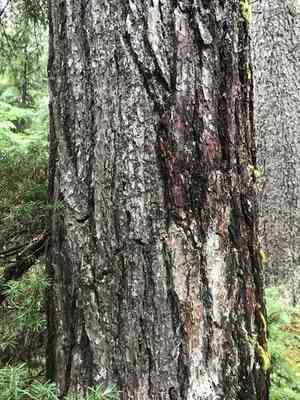
Mountain hemlock is recognized for its remarkable ability to withstand severe weather.
2
It benefits native animals, offering shelter and sustenance to diverse creatures.
3
This plant contributes to better soil firmness and lessens soil loss.
What Makes Mountain Hemlock Stand Out?
Distinctive Attributes
Mountain hemlock possesses several unique characteristics that set it apart. This species thrives in elevated regions, flourishing in cooler climates and often recognized by its conical forms and thick foliage. Its needle-like leaves and capacity to grow in rocky, well-drained ground make it a resilient and adaptable plant.
Natural Environment and Range
Mountain hemlock originates from mountainous areas, especially in the northwestern parts of North America. It significantly contributes to alpine forest ecosystems, frequently forming dense groupings that offer vital refuge and sustenance for wildlife like birds and small mammals.
Ecological Advantages of Mountain Hemlock
Supporting Biodiversity
Mountain hemlock plays a vital role in sustaining local biodiversity. By providing a living space and food source, it fosters a flourishing ecosystem. Various bird species depend on its seeds, while mammals seek shelter beneath its thick canopy. Furthermore, it offers nesting locations and defense from predators, thereby promoting a balanced and healthy environment.
Soil Stability and Erosion Prevention
The root systems of Mountain hemlock are remarkably effective at stabilizing soil on inclines and in alpine terrains. By anchoring the soil, it aids in preventing erosion, which is particularly beneficial in forested and mountainous areas where landslides and soil runoff can be concerns. This stabilization also enhances water retention in the soil, contributing to improved moisture levels and healthier plant communities overall.
Cultivating Mountain Hemlock
Landscape Benefits
Mountain hemlock can be an excellent addition to your garden or landscape design. Its evergreen nature ensures year-round greenery and visual appeal. It can serve as a natural windbreak or privacy screen, due to its dense growth habit. Additionally, planting Mountain hemlock can create a tranquil and visually captivating alpine garden, as it integrates well with rocks and other decorative elements.
Care and Maintenance Advice
One of the significant advantages of Mountain hemlock is its minimal maintenance requirements. It is highly tolerant of cold temperatures and drought, making it an ideal choice for regions with harsh climates. Regular trimming helps maintain its shape and health. When planting, ensure it is placed in well-drained soil to mimic its natural habitat conditions for optimal growth.
Environmental Impact of Mountain Hemlock
Carbon Sequestration
Mountain hemlock contributes positively to mitigating climate change by absorbing carbon dioxide from the atmosphere. The dense and extensive foliage of mature plants sequesters CO2, thus reducing greenhouse gases and contributing to cleaner air. This makes Mountain hemlock a valuable component in efforts to combat global warming and promote a healthier planet.
Improving Water Quality
By reducing soil erosion and promoting groundwater replenishment, Mountain hemlock plays a crucial role in enhancing water quality. Its presence along stream banks and water bodies can help filter pollutants and sediment, leading to cleaner and clearer water sources. This is particularly important for maintaining the purity of freshwater ecosystems and supporting aquatic life.



