The Water chestnut Plant Advantage: Maximizing Home and Office Appeal and Wellness
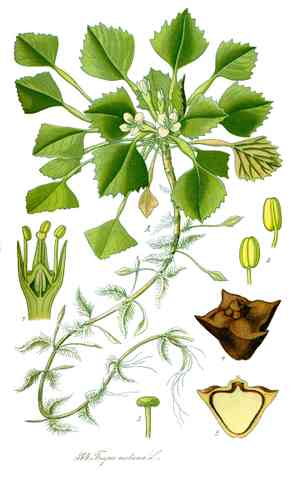
1
Water chestnut offers a good supply of vital nutrients such as potassium and dietary fiber.
2
This vegetation aids in enhancing water purity through pollutant reduction.
3
It fosters regional biodiversity, offering a home for diverse aquatic life forms.
Nutritional Value
Why is Water chestnut considered a nutritional powerhouse?
Water chestnut is rich in vital nutrients like vitamins, minerals, and antioxidants. Potassium aids in maintaining healthy blood pressure, while dietary fiber assists digestion and promotes fullness. Additionally, it contains high levels of polyphenolic compounds, recognized for their antioxidant properties.
How can Water chestnut be incorporated into one's diet?
Water chestnut is highly adaptable and can be consumed in various forms, including raw, boiled, or as a flour. It makes an excellent addition to salads, soups, and stir-fries. Its mild, slightly sweet taste makes it a delightful component in many dishes, offering not just flavor, but a significant nutritional boost.
Environmental Contributions
How does Water chestnut enhance water quality?
Water chestnut functions as a natural water purifier. It absorbs pollutants and excess nutrients from water bodies, significantly lowering water pollution levels. This purification process supports healthier aquatic ecosystems, making the entire water column more hospitable for diverse species.
What is Water chestnut's role in local biodiversity?
Water chestnut provides essential habitat and food sources for various aquatic species, fostering a diverse and thriving ecosystem. The dense mats it forms in water can offer breeding grounds for fish and invertebrates. Furthermore, it serves as a food source for waterfowl and other aquatic creatures.
Economic Importance
What economic benefits does Water chestnut provide?
Water chestnut can be cultivated and harvested, offering economic advantages to local communities. Its products, such as fresh or processed nuts and flours, can be sold in markets. Moreover, its cultivation can generate employment opportunities, supporting local economies.
Is Water chestnut utilized in sustainable practices?
Given its rapid growth and minimal need for external inputs, Water chestnut is a sustainable crop. Its cultivation requires fewer chemical interventions, promoting eco-friendly farming methods. This sustainable aspect strengthens both ecological and economic resilience in regions where it is farmed.
Cultural and Historical Significance
How has Water chestnut been used historically?
Water chestnut has been harvested and utilized for centuries, particularly in Asian countries where it has both culinary and medicinal applications. It holds a place of cultural importance in various traditional practices and ceremonies.
Does Water chestnut play a role in tradition and culture today?
Even today, Water chestnut remains a vital part of various cultural cuisines and practices. In many regions, traditional dishes using Water chestnut are still popular, maintaining a connection to heritage while benefiting from the plant's nutritional advantages.



