The Windmill palm Plant Advantage: Maximizing Home and Office Appeal and Wellness
1
The Windmill palm is recognized for its ability to withstand cold temperatures, allowing it to thrive in diverse environments.
2
This species brings an exotic, warm-weather aesthetic to outdoor spaces, improving their look.
3
Once rooted, the Windmill palm demands little upkeep and is easy to care for.
Why Opt for Windmill Palm in Your Garden?
Cold Hardiness
Windmill palm exhibits remarkable resilience, enduring low temperatures more effectively than numerous other tropical flora. This robustness enables its prosperity in colder regions, imparting a tropical essence even in less hospitable environments. The plant's capacity to withstand frost and chill expands its cultivation range, making it an excellent selection for gardeners in cooler climates.
Effortless Upkeep
Once established, the Windmill palm demands minimal attention, rendering it an ideal choice for both novice and seasoned gardeners. This plant flourishes in well-draining soil and requires only moderate irrigation. Furthermore, it demonstrates considerable resistance to pests and diseases, further diminishing the need for constant oversight and care.
Visual and Ecological Advantages of Windmill Palm
Aesthetic Allure
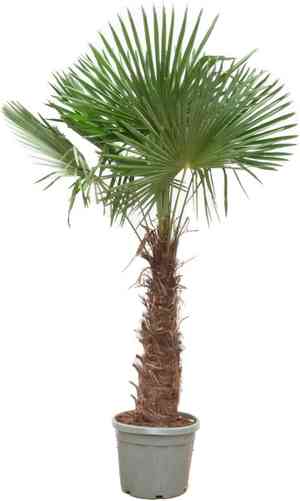
Windmill palm bestows a striking and exotic appearance upon any landscape, characterized by its fan-shaped fronds and slender trunk. This plant is perfect for cultivating a tropical ambiance, even in temperate zones. Its graceful presence can serve as a focal point in garden design, elevating the overall visual appeal of the area.
Environmental Contributions
Windmill palm is not merely visually pleasing; it also positively impacts the environment. Like other vegetation, it contributes to carbon sequestration, aiding in the reduction of atmospheric CO2 levels. Additionally, it offers a habitat for various animal species, including birds and insects, thereby enhancing local biodiversity.
Adaptability in Landscape Design
Suitable for Diverse Settings
Windmill palm is highly adaptable and can be integrated into various landscape designs. Whether you possess a compact courtyard or an expansive garden, this plant can blend in seamlessly. It can be cultivated as a solitary specimen or in groupings for a more dramatic effect. Its versatility makes it a fitting option for different garden aesthetics, from tropical themes to contemporary minimalist styles.
Container Cultivation
For individuals with limited space or those who prefer container gardening, Windmill palm is an excellent candidate. It responds favorably to being grown in pots, allowing for easy relocation as needed. Container cultivation with Windmill palm also provides the flexibility to bring the plant indoors during severe weather conditions, ensuring its protection while adding greenery to interior spaces.
Effective Windmill Palm Care Guide
Planting and Soil Needs
For optimal development, plant Windmill palm in well-draining soil enriched with ample organic matter. While it can endure a variety of soil types, ensuring proper drainage is vital to prevent root rot. Select a location that receives full to partial sunlight, as Windmill palm thrives in these conditions. Planting it during spring or early summer will provide a strong start.
Watering and Fertilization
Windmill palm prefers consistent watering, particularly during its initial establishment phase. However, it dislikes waterlogged conditions, so ensure the soil dries out between irrigation sessions. Fertilize the plant with a balanced, slow-release fertilizer during the growing season to encourage robust growth. Avoid excessive fertilization, as this can harm the plant.
Common Problems and Solutions
Pests and Diseases
Windmill palm is generally resistant to pests and diseases, but it can occasionally encounter issues such as scale insects, spider mites, and fungal infections. Regularly inspect the plant for any signs of trouble and treat it promptly with appropriate organic or chemical remedies. Ensuring adequate air circulation and preventing excessive moisture will also aid in disease prevention.
Winter Protection
While Windmill palm is cold-tolerant, you can implement additional measures to safeguard it from harsh winter conditions. Mulching around its base can help insulate the roots, and utilizing frost cloths can shield it from freezing temperatures. For container-grown Windmill palm, simply move the pots indoors or to a sheltered spot during extreme cold spells.



