The Small-leaved lime Plant Advantage: Maximizing Home and Office Appeal and Wellness
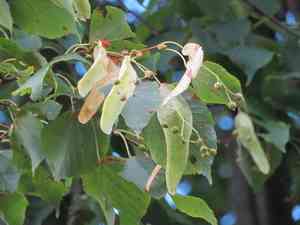
1
Tilia cordata is recognized for its tranquilizing and anxiety-reducing effects.
2
This botanical is frequently employed as a natural treatment due to its calming attributes.
3
Tilia cordata flourishes in diverse soil conditions, rendering it adaptable and simple to cultivate.
What Are the Main Advantages of Small-leaved lime?
Natural Stress Reducer
A highly valued benefit of Small-leaved lime is its capacity to ease tension. The plant's leaves and blossoms contain natural compounds that have a calming effect on the nervous system. This makes Small-leaved lime an excellent option for individuals seeking to combat anxiety and foster relaxation. Its soothing qualities are often utilized in various forms, including teas and essential oils.
Excellent for Landscape Design
Beyond its health advantages, Small-leaved lime is also highly prized in landscape architecture. Its vigorous growth and attractive appearance make it a popular selection for gardens and parks. The plant can adapt to diverse soil types and environmental conditions, offering both shade and aesthetic appeal. Landscape designers frequently employ Small-leaved lime to create tranquil, inviting spaces.
How Does Small-leaved lime Enhance Air Quality?
Natural Air Purifier
Another remarkable advantage of Small-leaved lime is its contribution to improving air quality. The plant naturally filters pollutants from the atmosphere, leading to a cleaner and healthier environment. This positions Small-leaved lime as an ideal choice for urban areas experiencing high levels of contamination. The leaves of Small-leaved lime are particularly effective at capturing dust and other airborne particles.
Oxygen Generation
Like many plants, Small-leaved lime plays a vital role in photosynthesis, the process by which plants convert carbon dioxide into oxygen. This not only aids in reducing the carbon footprint but also enriches the surrounding air with fresh oxygen. A single Small-leaved lime plant can significantly contribute to the overall air quality in its immediate area.
Why Is Small-leaved lime Beneficial for Wildlife?
Habitat Creation
Small-leaved lime offers an excellent habitat for various forms of wildlife, including birds, insects, and small mammals. The plant's dense foliage provides shelter and nesting opportunities, making it a crucial element in maintaining biodiversity. Many bird species are particularly drawn to Small-leaved lime for its abundant supply of seeds and refuge.
Pollinator Support
The flowers of Small-leaved lime are known to attract a variety of pollinators, including bees and butterflies. These pollinators are essential for the reproduction of numerous plant species, making Small-leaved lime an integral part of the ecosystem. By cultivating Small-leaved lime, you can contribute to the health and survival of these critical pollinators.
What Are the Practical Applications of Small-leaved lime?
Wood and Lumber
Small-leaved lime trees are often harvested for their wood, which is both durable and versatile. The timber is commonly used in furniture manufacturing, construction, and various craft projects. Its fine grain and workability make it a favorite among artisans and woodworkers.
Eco-Friendly Products
In addition to lumber, Small-leaved lime is utilized in the creation of eco-conscious products. Its leaves and flowers can be incorporated into natural cosmetics, while its bark and roots are employed in various sustainable practices. These environmentally friendly uses make Small-leaved lime a multifaceted plant that supports green initiatives.
How to Maintain Small-leaved lime?
Ideal Growing Conditions
Caring for Small-leaved lime is relatively straightforward. The plant thrives in well-drained soil and can adapt to various light conditions, from full sun to partial shade. Consistent watering and occasional trimming will ensure robust growth. It's also beneficial to incorporate organic compost to enrich the soil.
Pest and Disease Management
While Small-leaved lime is generally resilient, it's important to monitor for common pests and diseases. Aphids and powdery mildew can affect the plant if not managed effectively. Regular inspections and natural pest control methods, such as neem oil, can help keep your Small-leaved lime healthy and vibrant.



