The Tiger grass Plant Advantage: Maximizing Home and Office Appeal and Wellness
1
Tiger grass is well-known for its ability to prevent soil erosion.
2
This plant provides a superb natural environment for diverse animal life.
3
Agriculturalists employ Tiger grass due to its sustainable and environmentally sound characteristics in farming.
How Does Tiger grass Prevent Soil Erosion?
Root Structure and Soil Stabilization
Tiger grass possesses an extensive root system that aids in binding soil particles, thereby reducing its vulnerability to erosion from wind and water. Its fibrous roots penetrate deeply, forming a robust network that effectively anchors the soil. This not only prevents soil loss but also preserves the landscape's integrity.
Enhanced Water Retention
The root system of Tiger grass also plays a vital role in boosting the soil's capacity to hold water. By absorbing and retaining moisture, the plant helps sustain soil hydration levels, which is especially advantageous in arid or drought-prone regions. This, in turn, fosters healthier plant development and lessens the need for frequent irrigation.
What Are the Ecological Benefits of Tiger grass?
Creating Habitats for Wildlife
Tiger grass offers an excellent natural dwelling for various animal species, including insects, birds, and small mammals. Its dense foliage and sturdy stems provide refuge and nesting locations, contributing to biodiversity and supporting local ecosystems. By cultivating Tiger grass, you can help establish a flourishing environment for wildlife in your vicinity.
Supporting Pollinators
The blooms of Tiger grass attract a diverse range of pollinators, such as bees and butterflies. Pollinators are crucial for maintaining healthy ecosystems, as they are instrumental in plant reproduction. By encouraging pollinators to visit your garden, Tiger grass helps ensure the continued growth and variety of plant species.
How Can Tiger grass Benefit Farmers?
Sustainable Agricultural Practices
Tiger grass is an excellent addition to sustainable farming methods. Its ability to prevent soil erosion and improve water retention makes it a valuable tool for maintaining healthy soils. Furthermore, it decreases the reliance on chemical fertilizers and irrigation, promoting a more environmentally friendly approach to agriculture.
Natural Weed Control
The dense growth of Tiger grass can serve as a natural weed deterrent. By outcompeting weeds for resources like sunlight, water, and nutrients, it reduces the need for herbicides and manual weeding. This not only saves time and effort but also minimizes the environmental impact of chemicals.
Why Should You Integrate Tiger grass into Your Garden?
Aesthetic Appeal
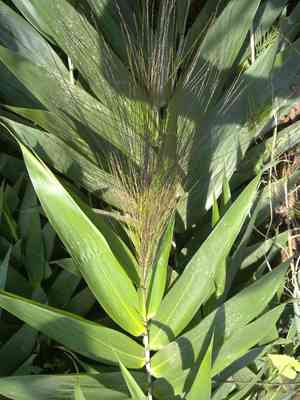
Tiger grass offers significant visual appeal with its tall, elegant stalks and vibrant green foliage. It adds a unique and attractive element to gardens and landscapes, complementing various design styles. Whether used as a backdrop, border plant, or ornamental grass, Tiger grass enhances the visual charm of any outdoor area.
Low Maintenance
One of the primary advantages of Tiger grass is its minimal maintenance requirements. It is a resilient plant that can thrive in diverse environmental conditions with little upkeep. Once established, it needs infrequent watering, trimming, or fertilizing, making it an ideal choice for gardeners seeking an easy-to-care-for yet beneficial plant.



