The Black-eyed susan vine Plant Advantage: Maximizing Home and Office Appeal and Wellness
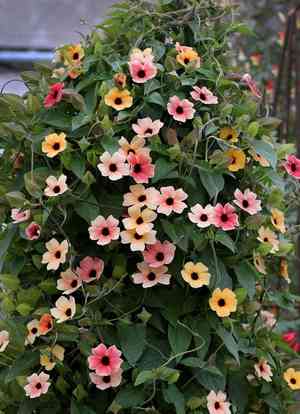
1
Thunbergia alata is a rapidly developing climber that can swiftly introduce vertical appeal to your outdoor space.
2
This flora draws in helpful pollinators, boosting your garden's ecological variety.
3
Thunbergia alata requires minimal upkeep, rendering it ideal for both beginner and seasoned gardeners.
Why is Black-eyed susan vine a Top Choice for Your Garden?
Aesthetic Appeal
A primary reason to cultivate Black-eyed susan vine is its undeniable beauty. With its vivid and bright blossoms, it can form striking upright displays against supports, barriers, or overhead structures. The contrasting shades of petals and leaves introduce a dynamic visual element to any garden layout.
Space Utilization
If your garden area is limited, Black-eyed susan vine is an excellent option for maximizing vertical gardening potential. The plant can ascend and conceal unattractive areas, providing a lush green screen that both enhances beauty and offers seclusion. It's also ideal for container planting on balconies or patios.
How Does Black-eyed susan vine Benefit Garden Ecosystems?
Attracting Pollinators
Black-eyed susan vine is known for drawing in various pollinators such as bees, butterflies, and hummingbirds. These pollinators are essential for the vitality and yield of your garden. By offering a nectar source for these beneficial insects and birds, Black-eyed susan vine helps ensure the ecological health of your gardening environment.
Supporting Biodiversity
In today's era of ecological awareness, fostering biodiversity in your own yard is crucial. Black-eyed susan vine contributes positively by providing habitat and sustenance, nurturing a micro-ecosystem that supports a range of species. This enhances your garden's biodiversity, making it more resilient and vibrant.
Is Black-eyed susan vine Easy to Maintain?
Low Maintenance Requirements
One of the significant attractions of Black-eyed susan vine is its undemanding nature. This robust vine thrives in sunny spots with well-drained soil, but it is also quite tolerant of less-than-ideal conditions. Once established, it needs minimal watering and care, making it suitable for gardeners of all skill levels.
Pest and Disease Resistance
Black-eyed susan vine is relatively resistant to common garden pests and diseases, reducing the need for chemical interventions. Its hardy nature means fewer concerns about plant health, allowing you to enjoy a vibrant garden without constant vigilance.
How Can You Integrate Black-eyed susan vine Into Your Garden Design?
Vertical Gardens
Vertical gardening is an excellent method to incorporate Black-eyed susan vine into your garden design. Utilize it on trellises, arbors, or fences to create upright features that draw the eye upward. This not only conserves space but also adds depth and visual interest to your garden landscape.
Companion Planting
Black-eyed susan vine pairs beautifully with other garden plants, offering visual and horticultural advantages. It can be cultivated alongside annuals, perennials, or shrubs, serving as a complementary backdrop or focal point. Select companion plants that share similar growing conditions for optimal results.
Does Black-eyed susan vine Have Any Ecological Impact?
Carbon Sequestration
Plants play a crucial role in absorbing carbon dioxide from the atmosphere. As a rapidly growing vine, Black-eyed susan vine contributes to carbon sequestration, helping to mitigate climate change. This adds an ecological dimension to its benefits, making it an environmentally responsible choice.
Soil Health
Healthy soil is the bedrock of a flourishing garden, and Black-eyed susan vine can assist in maintaining or improving soil health. Its root system aids in soil aeration and water infiltration, fostering a healthier underground environment. This, in turn, supports a more robust above-ground plant community.



