The Japanese thuja Plant Advantage: Maximizing Home and Office Appeal and Wellness
1
Japanese thuja is an attractive tree recognized for its thick leaves and constant appeal.
2
Its fragrant foliage and timber have historically been prized for diverse applications.
3
This hardy flora also contributes significantly to improving garden biodiversity.
Why is the Japanese thuja a Preferred Option for Gardens?
Visual Allure
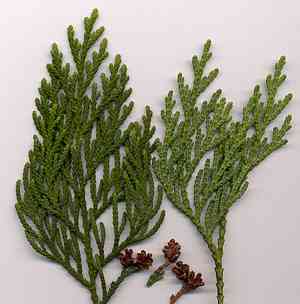
The Japanese thuja is admired for its vibrant green foliage, which stays lush throughout the year. This characteristic makes it an excellent selection for crafting visually pleasing landscapes. Its dense, uniform growth and upright shape can serve as a superb backdrop or a prominent feature in any garden.
Effortless Upkeep
A primary reason gardeners favor Japanese thuja is its simple maintenance. This plant flourishes in diverse soil types and needs minimal trimming. It also tolerates drought well once established, reducing the need for constant watering. These traits make Japanese thuja an ideal addition for both new and experienced gardeners.
What Ecological Advantages Does Japanese thuja Offer?
Biodiversity Enhancement
By incorporating Japanese thuja into your garden, you can significantly boost local biodiversity. Its thick foliage provides excellent refuge and nesting spots for various bird species. Furthermore, the plant's seeds serve as a food source for birds and small mammals, supporting wildlife populations year-round.
Air Quality Improvement
Japanese thuja plays a vital role in enhancing air quality by absorbing pollutants and releasing oxygen. The plant's leaves function as natural air purifiers, capturing dust and other airborne particles. This attribute makes Japanese thuja a valuable addition to urban gardens, where air pollution is often a concern.
How Does Japanese thuja Contribute to Soil Health?
Erosion Prevention
Japanese thuja possesses a strong root system that helps stabilize soil and prevent erosion. This characteristic is especially beneficial in areas prone to soil erosion, such as slopes and riverbanks. By planting Japanese thuja, you can protect your garden from losing valuable topsoil while retaining ground moisture.
Soil Enrichment
The fallen leaves and needles of Japanese thuja decompose over time, enriching the soil with organic matter. This natural process improves soil structure, boosts nutrient availability, and promotes healthy plant development. Including Japanese thuja in your garden ensures a continuous supply of organic material that benefits the entire ecosystem.
What are Some Traditional Applications of Japanese thuja?
Fragrant Qualities
The leaves and wood of Japanese thuja emit a pleasant, aromatic scent that has been valued for centuries. These fragrant properties make the plant a popular choice for creating aromatic garden spaces. Additionally, its wood is often used in incense and traditional ceremonies for its calming aroma.
Wood and Craftsmanship
Historically, the durable and rot-resistant wood of Japanese thuja has been highly regarded for various construction and crafting purposes. It is commonly utilized in building furniture, fences, and other garden structures. The wood's natural resistance to decay ensures longevity, making it a sustainable option for outdoor projects.
How to Plant and Care for Japanese thuja?
Optimal Planting Conditions
Japanese thuja thrives best in well-drained soil and a sunny to partially shaded location. When planting, ensure the soil is not waterlogged, as excessive moisture can harm the root system. Providing adequate spacing between plants is also crucial for proper growth and air circulation.
Routine Care Advice
While Japanese thuja is relatively low-maintenance, a few care practices can help it flourish. Water young plants regularly until they are established. Mulching around the base helps retain soil moisture and suppress weeds. Occasional pruning to remove dead or damaged branches will keep the plant healthy and encourage new growth.



