The Hardy canna Plant Advantage: Maximizing Home and Office Appeal and Wellness
1
The robust canna is celebrated for its impressive aesthetic appeal, establishing it as a prominent element in any landscape.
2
This durable flora flourishes across diverse weather conditions and demands little upkeep.
3
Hardy canna plays a role in regional ecosystems by sustaining aquatic fauna.
Why Opt for Hardy Canna in Your Garden?
Visual Appeal
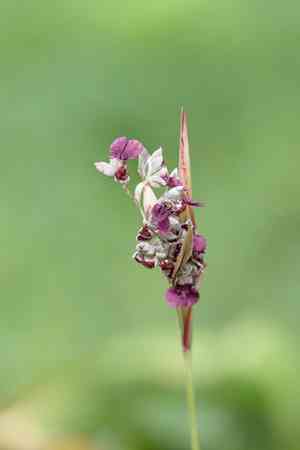
A primary reason to cultivate Hardy canna is its remarkable beauty. With its tall, graceful stalks and vivid foliage, this plant can serve as a central feature in any garden. Its distinctive look can form a stunning backdrop for other flora, improving the overall aesthetic harmony of your green space. The clusters of purple or lavender blossoms add a burst of color, making it a favorite among ornamental gardeners.
Adaptability and Durability
Hardy canna is highly flexible regarding various environmental conditions, making it an excellent selection for gardeners across different regions. Whether you reside in a mild climate or an area with more extreme weather, this robust plant can flourish with minimal intervention. It also tolerates diverse soil types, including clay and loam, though it prefers moist, well-drained conditions. This adaptability reduces the need for extensive soil preparation, simplifying maintenance for gardeners.
How Does Hardy Canna Benefit Local Ecosystems?
Supporting Aquatic Life
One of the most notable ecological advantages of Hardy canna is its capacity to bolster local aquatic ecosystems. This plant frequently grows near water bodies such as ponds, lakes, and wetlands, where it plays a vital role in providing habitat for various forms of wildlife. The dense foliage and intricate root systems offer refuge and breeding grounds for fish, amphibians, and invertebrates. Additionally, the plant helps maintain water quality by filtering pollutants and excess nutrients, fostering a healthier aquatic environment.
Erosion Prevention
Another ecological benefit of Hardy canna is its effectiveness in preventing erosion. The plant's strong root system helps stabilize soil, preventing erosion along the banks of water bodies or sloped terrains. This not only preserves the landscape but also helps prevent sediment from entering waterways, which can lead to murky waters and negatively impact aquatic life. By planting Hardy canna in areas prone to erosion, you contribute to soil conservation and the health of local water ecosystems.
Practical Advantages for Gardeners
Minimal Maintenance Needs
A standout characteristic of Hardy canna is its low maintenance requirements. Once established, it demands little care, making it an ideal choice for busy gardeners or those new to gardening. The plant is relatively pest-resistant, meaning you won't need to use many chemical pesticides. Regular watering during dry spells and occasional pruning to remove dead leaves are usually sufficient to keep Hardy canna healthy and thriving.
Attracting Pollinators
Hardy canna is not merely a visual delight; it's also a valuable plant for drawing in pollinators. The vibrant flowers attract bees, butterflies, and other pollinating insects, which are crucial for the health of your garden ecosystem. By planting Hardy canna, you're not only adding beauty to your garden but also supporting the vital process of pollination, which in turn promotes the growth of other plants and enhances biodiversity.
How to Successfully Cultivate Hardy Canna?
Planting Advice
To successfully grow Hardy canna, start by selecting a suitable location that receives ample sunlight, as this plant thrives in full sun to partial shade. Prepare the soil by ensuring it is well-drained yet consistently moist, as Hardy canna prefers damp conditions. Plant the rhizomes or young plants at a depth of about 2-3 inches, spacing them at least 12 inches apart to give them room to grow. Water the plants thoroughly after planting to help them establish.
Ongoing Upkeep
Once established, Hardy canna requires relatively little care. Water the plant regularly, especially during dry periods, and apply mulch around the base to conserve moisture and suppress weeds. Although the plant is generally pest-resistant, monitor for any signs of disease or infestation and take appropriate action. Prune any dead or damaged foliage to maintain the plant's appearance and encourage new growth.



