The Japanese ternstroemia Plant Advantage: Maximizing Home and Office Appeal and Wellness
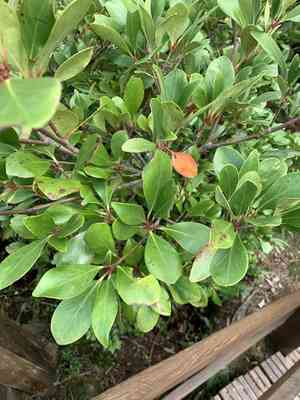
1
Japanese ternstroemia is recognized for its inherent capacity to cleanse the air.
2
Consistent trimming of Japanese ternstroemia aids in fostering dense foliage and visual attractiveness.
3
Japanese ternstroemia flourishes in both filtered light and direct sunlight, rendering it a adaptable inclusion for any outdoor space.
Why Select Japanese Ternstroemia for Your Garden?
Enhances Garden Aesthetics
A primary reason to incorporate Japanese ternstroemia into your garden is its visual appeal. With its lustrous evergreen foliage and small, fragrant blossoms, Japanese ternstroemia can significantly elevate your garden's beauty. It's also an excellent option for forming hedges or as a standalone decorative plant.
Low Maintenance
Another benefit of Japanese ternstroemia is its minimal care requirements. This plant is relatively simple to maintain, making it an ideal selection for both new and experienced gardeners. Consistent watering and occasional trimming are generally enough to keep Japanese ternstroemia healthy and flourishing.
Environmental Advantages of Japanese Ternstroemia
Air Purification
Japanese ternstroemia is particularly effective at cleansing the air. Its leaves can absorb pollutants, thereby enhancing the overall air quality in your garden and home. This makes it a perfect addition for those who prioritize a healthy living environment.
Biodiversity Support
Japanese ternstroemia also plays a vital role in supporting local biodiversity. Its flowers attract various pollinators like bees and butterflies, which are crucial for the ecosystem. By planting Japanese ternstroemia, you can contribute to the well-being of your local environment.
How to Cultivate and Care for Japanese Ternstroemia
Soil and Sunlight Requirements
Japanese ternstroemia thrives in well-draining soil and adapts to various soil types. It can grow in both partial shade and full sun, making it a versatile choice for diverse garden designs. However, for optimal growth, it's best to plant Japanese ternstroemia in a spot that receives morning sun and afternoon shade.
Watering and Fertilization
While Japanese ternstroemia is relatively drought-tolerant, it appreciates consistent moisture, especially during dry periods. Mulching around the base can help retain soil moisture and lessen the need for frequent irrigation. Additionally, applying a balanced fertilizer in the spring can encourage robust growth and blooming.
Design Concepts for Integrating Japanese Ternstroemia in Your Garden
Creating Hedges and Borders
Japanese ternstroemia is an excellent choice for forming natural hedges and borders. Its dense foliage provides privacy while adding a touch of elegance to your garden. Regular pruning will help maintain its shape and promote lush growth.
Using Japanese Ternstroemia as a Focal Point
Due to its striking appearance, Japanese ternstroemia can also serve as a central feature in your garden design. Plant it in a prominent location where it can stand out and be admired. Combining Japanese ternstroemia with other complementary plants can create a visually stunning landscape.
Common Pests and Diseases in Japanese Ternstroemia
Pests to Watch Out For
Though Japanese ternstroemia is relatively pest-resistant, it can occasionally suffer from infestations such as aphids, spider mites, and scale insects. Regular monitoring and the use of natural insecticidal soaps can help keep these pests under control.
Preventing Diseases
To prevent diseases, ensure that Japanese ternstroemia is planted in well-draining soil to avoid root rot. Additionally, avoid overhead watering to reduce the risk of fungal infections. If you notice any signs of disease, early intervention is crucial for maintaining your plant's health.



