The Cape honeysuckle Plant Advantage: Maximizing Home and Office Appeal and Wellness
1
Tecoma capensis is a favored decorative plant recognized for its vivid blooms and simple upkeep.
2
This flora draws in numerous pollinators, such as bees, butterflies, and hummingbirds.
3
Tecoma capensis serves as an excellent organic hedge or privacy barrier because of its thick foliage.
Why Cape Honeysuckle is a Great Addition to Your Garden
Striking Flower Display
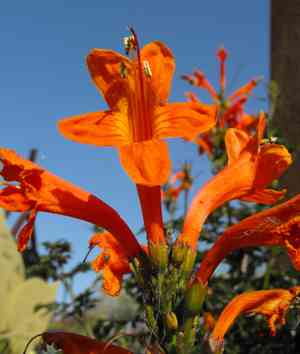
Cape honeysuckle is known for its abundant and vividly colored blossoms. Its flowers come in orange, red, and sometimes yellow hues, making it a prominent garden feature. The blooms appear in clusters, drawing attention from afar. This vibrant display not only brightens your garden but also creates a refreshing and cheerful atmosphere.
Attracts Beneficial Pollinators
A key advantage of planting Cape honeysuckle is its ability to draw in various pollinators. Bees, butterflies, and hummingbirds are especially drawn to its bright, tubular flowers. By inviting these helpful creatures, Cape honeysuckle aids in the pollination of other garden plants. This fosters a healthier, more diverse garden ecosystem.
Effective Landscaping Uses for Cape Honeysuckle
Natural Hedge and Privacy Screen
Cape honeysuckle is an excellent option for creating natural hedges and privacy screens. Its dense, fast-growing nature allows it to form thick barriers that offer seclusion and reduce noise. Planting Cape honeysuckle along your garden's edges can create a private, tranquil retreat, while also enhancing your outdoor space's aesthetic appeal.
Adaptable Growth Habits
Cape honeysuckle can be cultivated as either a shrub or a vine, providing versatility in landscape design. With regular pruning, it maintains a compact, shrub-like shape suitable for hedges and borders. Alternatively, it can be trained to climb structures or trellises, adding vertical interest and a lush, green look to walls and fences. This adaptability makes Cape honeysuckle a valuable asset for diverse gardening styles.
Is Cape Honeysuckle Easy to Care For?
Low Maintenance Needs
One of the main reasons gardeners appreciate Cape honeysuckle is its minimal care requirements. This resilient plant thrives in various soil types and can endure drought conditions once established. It needs little watering and can tolerate occasional neglect, making it an ideal choice for both new and experienced gardeners.
Pest and Disease Resistance
Cape honeysuckle generally resists most common garden pests and diseases, further reducing maintenance efforts. Regular checks for infestations and ensuring good air circulation can help keep the plant healthy. Its natural resilience allows it to grow vigorously with fewer interventions, letting you enjoy its beauty with minimal fuss.
Other Uses for Cape Honeysuckle
Erosion Control
Cape honeysuckle's extensive root system makes it an excellent plant for preventing soil erosion. Planting it on slopes or in areas prone to erosion can help stabilize the soil and prevent runoff. This natural solution is both eco-friendly and effective in preserving landscape integrity.
Wildlife Habitat
Cape honeysuckle can provide food and shelter for various wildlife species. Birds, in particular, are attracted to its dense foliage and flowering clusters, where they can find nectar and insects. By planting Cape honeysuckle, you can create a small wildlife sanctuary in your backyard, promoting biodiversity and offering a safe haven for local animals.



