The Common yew Plant Advantage: Maximizing Home and Office Appeal and Wellness
1
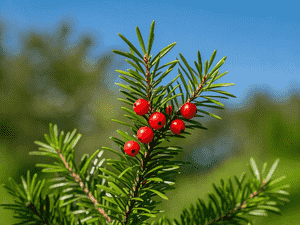
The common yew is recognized for its impressive evergreen leaves and decorative qualities.
2
Common yew possesses historical importance and finds frequent application in garden design and cultivation.
3
The timber from Common yew is greatly prized for its resilience and attractive texture.
Why is Common yew Valued in Landscaping?
Aesthetic Appeal
Common yew is prized for its thick, dark green foliage, providing year-round color and texture to outdoor spaces. Its ability to be shaped into diverse forms makes it perfect for topiary and hedges, giving a formal and neat look to any garden.
Versatility in Garden Design
Common yew's adaptability allows it to flourish in various soil types and conditions, making it a flexible addition to different garden layouts. Whether used as a focal point, border plant, or part of a mixed planting, its hardiness and resilience make it a reliable choice for gardeners.
How Does Common yew Benefit the Environment?
Wildlife Habitat
Common yew offers refuge and nesting spots for various birds and small animals, boosting biodiversity in gardens and wooded areas. Its dense leaves provide protection from predators and harsh weather, making it a crucial part of local ecosystems.
Air Quality Improvement
Like many evergreens, Common yew helps improve air quality by absorbing carbon dioxide and releasing oxygen. Its thick, needle-like leaves are effective at capturing dust and pollutants, thereby enhancing the air quality in its immediate vicinity.
What Are the Practical Uses of Common yew's Wood?
Exceptional Durability
The wood of Common yew is well-known for its outstanding durability, making it highly sought after for various woodworking projects. This includes fine furniture, cabinetry, and intricate wood carvings, where its fine grain and workable nature allow for detailed craftsmanship.
Traditional Uses
Historically, Common yew wood was utilized to craft longbows and other tools due to its strength and flexibility. Today, it continues to be valued in traditional and modern woodworking for its resilience and aesthetic qualities.
How to Care for Common yew in Your Garden?
Optimal Growing Conditions
Common yew thrives in well-drained soil with a slightly acidic to neutral pH. It prefers partial to full sunlight but can tolerate shaded areas, making it adaptable to various garden locations.
Maintenance Tips
Regular pruning is essential to maintain the shape and health of Common yew. Watering should be consistent, especially during dry spells, but take care not to waterlog the soil. Mulching around the base can help retain moisture and provide nutrients as it breaks down.
What Are the Historical and Cultural Significances of Common yew?
Historical Significance
Common yew has been a symbol of immortality and protection in various cultures due to its longevity and enduring foliage. It is often found in old churchyards and cemeteries, symbolizing eternal life.
Cultural Uses
In addition to its practical applications, Common yew has been woven into the fabric of folklore and tradition. It is associated with various rituals and ceremonies, often used in decorations and symbolic representations during significant cultural events.



