The Common tansy Plant Advantage: Maximizing Home and Office Appeal and Wellness
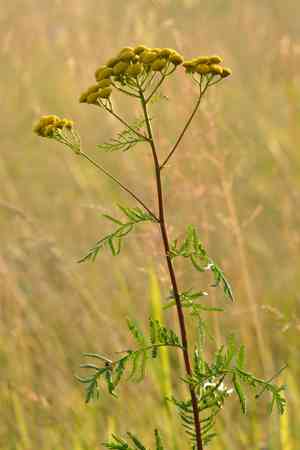
1
Has been utilized for ages in conventional botanical medicine.
2
Functions as an organic pest deterrent.
3
Simple to grow in domestic outdoor spaces.
Cultivating Common Tansy in Your Garden
Optimal Growth Conditions
Flourishing across diverse climates, Common tansy favors ample sunlight and soil that drains well. It exhibits remarkable hardiness, enduring dry spells, making it an excellent option for gardeners seeking plants requiring minimal upkeep. Plant it in early spring, providing sufficient room for its extensive root system to develop.
Planting and Maintenance
Directly sow seeds into the soil, approximately a quarter-inch deep. Water sparingly yet consistently until the seedlings emerge. Once established, Common tansy needs infrequent watering. Trimming it after blooming can help maintain its form and stimulate new growth.
Benefits of Companion Planting
Incorporating Common tansy alongside vegetables can enrich your garden's ecological diversity. Its potent aroma naturally deters pests like aphids and beetles, offering a chemical-free alternative to synthetic pesticides.
Primary Applications of Common Tansy
Natural Insect Repellent
A highly regarded use of Common tansy is its function as a natural insect deterrent. Various parts of the plant can be utilized to ward off mosquitoes, ants, and flies. You can suspend dried bunches in rooms or create a spray from its essential oils to keep insects away.
Dye and Craft Applications
Beyond its practical functions, Common tansy offers aesthetic advantages. Its leaves and blossoms yield a beautiful yellow dye, useful for coloring fabrics and crafting natural art. Integrating this dye into your creative projects can impart a distinctive, earthy character.
Understanding Common Tansy's Historical Importance
Traditional Practices
Common tansy has been widely recognized in numerous cultures for its traditional applications. During medieval times, it was frequently employed for its fragrant qualities in religious ceremonies. Its role has evolved, yet it remains highly esteemed in herbal communities.
Folklore and Symbolism
Historically, Common tansy carries various symbolic meanings. In some cultures, it represents immortality and protection. These beliefs have contributed to its lasting popularity, even as our comprehension of its practical uses continues to expand.
Harvesting and Preserving Common Tansy
Optimal Harvesting Techniques
For peak freshness, harvest Common tansy just before it flowers. Use sharp shears to cut the stems, leaving a few inches above the ground to allow for regrowth. Early morning is the ideal time for harvesting, as the plant's essential oils are at their highest concentration.
Drying and Storage Methods
Hang the harvested stems in a well-ventilated area, away from direct sunlight. Once dried, store the leaves and flowers in airtight containers. This preserves their beneficial properties and ensures their effectiveness for future use.
Common Tansy's Contribution to Wildlife
Attracting Pollinators
Common tansy is a magnet for beneficial insects such as bees and butterflies. Planting it in your garden can enhance the pollination of nearby plants, boosting overall plant health and fruit production. Its bright yellow flowers not only add visual appeal but also support your local ecosystem.
Supporting Biodiversity
Encouraging a plant like Common tansy in your garden boosts biodiversity. Its natural pest-repellent qualities reduce the need for chemical interventions, leading to healthier soil and environment. It also provides habitat and food for various other forms of wildlife, from birds to beneficial insects.



