The French marigold Plant Advantage: Maximizing Home and Office Appeal and Wellness
1
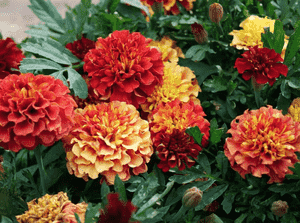
Tagetes patula is recognized for its vivid blooms and its capacity to deter garden pests.
2
Optimal growth for this plant necessitates ample sunlight and soil that drains effectively.
3
French marigold serves to improve your garden's visual charm and promote eco-friendly cultivation methods.
What Advantages Does Growing French Marigold Offer?
Aesthetic Appeal
With its bright, eye-catching blossoms, French marigold can introduce a burst of color to any garden. The flowers come in shades from vivid yellow to deep orange, making them a popular selection for those aiming to create a lively, vibrant garden space. Their compact, bushy growth habit also renders them suitable for borders, flower beds, and container gardening.
Natural Pest Management
One of the most significant advantages of French marigold is its capacity to function as a natural pest deterrent. The plant emits a distinct scent that repels a variety of common garden pests, including aphids, whiteflies, and nematodes. This makes French marigold an excellent companion plant, especially in vegetable gardens, as it aids in safeguarding other plants from pest damage without requiring chemical pesticides.
How to Care for French Marigold?
Sunlight and Soil Needs
French marigold thrives in full sun and prefers soil that is well-drained and moderately fertile. Planting in an area that receives at least six hours of direct sunlight daily will ensure optimal growth and flowering. The soil should be kept consistently moist but not waterlogged. Incorporating organic matter, such as compost, into the soil can help enhance drainage and supply essential nutrients.
Watering and Upkeep
Consistent watering is vital for French marigold, particularly during dry periods. Water the plant at its base to prevent wetting the foliage, which can lead to fungal diseases. Removing spent flowers will encourage continuous blooming and maintain the plantâs appearance. Furthermore, light pruning can help promote bushier growth and prevent leggy stems.
What Are Some Common Applications for French Marigold?
In Garden Design
French marigold is widely utilized in garden design due to its striking flowers and ease of maintenance. It can be employed to create visually appealing flower beds, borders, and container displays. The vibrant hues of the flowers can complement other plants and provide a focal point in garden arrangements.
Supporting Organic Cultivation
French marigold plays a crucial role in organic gardening practices. Its natural pest-repelling capabilities reduce the necessity for synthetic pesticides, making it an environmentally friendly option for garden pest control. By planting French marigold alongside vegetables and other vulnerable plants, gardeners can foster a healthier, more sustainable growing environment.
How to Propagate French Marigold?
Seed Propagation
Propagating French marigold from seeds is a simple and economical method. Seeds can be sown indoors approximately 6-8 weeks before the last anticipated frost date. Once the seedlings have developed a few sets of true leaves and the risk of frost has passed, they can be transplanted outdoors. Alternatively, seeds can be sown directly into the garden soil after the last frost.
Cutting Propagation
Another method of propagation is via stem cuttings. Take a healthy stem cutting from a mature French marigold plant, ensuring it is about 4-6 inches long and free from disease or pests. Remove the lower leaves and dip the cut end into rooting hormone. Plant the cutting in well-draining soil and keep it moist until roots develop, which typically takes a few weeks.
Can French Marigold Be Used in Companion Planting?
Companion Plants
French marigold is an excellent choice for companion planting due to its pest-repelling attributes. It pairs well with vegetables like tomatoes, peppers, and beans, helping to safeguard them from common pests. Additionally, its presence can enhance the overall health of the garden by attracting beneficial insects, such as bees and butterflies, which aid in pollination.
Avoiding Incompatible Pairings
While French marigold is generally beneficial, itâs important to be aware of certain plants that may not thrive in its vicinity. For instance, beans and cabbage family plants (brassicas) might experience stunted growth when planted too close to French marigold. Careful planning and consideration of plant relationships will ensure the best outcomes in a companion planting setup.



