The Common lilac Plant Advantage: Maximizing Home and Office Appeal and Wellness
1
Syringa vulgaris is suitable for forming natural barriers and windbreaks.
2
The fragrant blossoms of the plant draw in helpful pollinators such as bees and butterflies.
3
Its flowers are versatile for use in home decor and floral displays.
Why Cultivate Common Lilac?
Effortless Upkeep and Resilience
Common lilac is valued for its minimal maintenance needs. Once rooted, it flourishes in diverse soil compositions and weather patterns, making it perfect for new gardeners or those with limited time for plant care. It resists drought and is robust, enduring various climate zones, which highlights its adaptability.
Ecological Advantages
Adding Common lilac to your garden positively impacts the environment. Its thick leaves help retain soil and prevent erosion. Furthermore, it offers a sanctuary for diverse wildlife, including birds and insects, fostering biodiversity in your green space.
How Does Common Lilac Improve Visual Appeal?
Seasonal Splendor
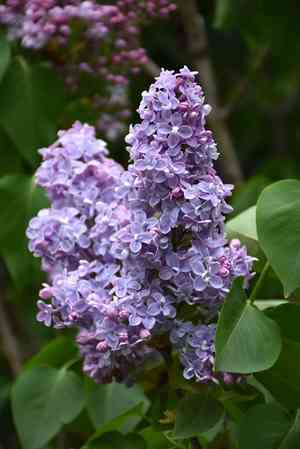
A key characteristic of Common lilac is its impressive floral show. In spring, it yields flower clusters in hues from deep purple to soft pink and pure white. These vivid blossoms can transform any garden from ordinary to extraordinary, offering a seasonal burst of color for all to enjoy.
Scent and Flower Displays
The pleasant aroma of Common lilac blooms is another compelling reason for its widespread appeal. The fragrance often evokes memories and tranquility, capable of perfuming an entire garden with its sweet essence. Indoors, its cut flowers are popular for crafting fragrant and attractive floral arrangements, ideal for enhancing any home's interior.
Functional Applications for Home and Garden
Organic Hedges and Seclusion Barriers
Common lilac's dense and abundant foliage makes it a superb option for forming natural hedges and privacy screens. When planted in rows, it creates solid barriers that not only offer privacy but also shield against wind and sound. This renders it an invaluable asset for city gardeners aiming to establish a secluded haven amidst urban activity.
Attracting Pollinating Insects
Another environmental advantage of Common lilac is its capacity to draw pollinators. Bees, butterflies, and other beneficial insects are attracted to its flowers, assisting in the pollination of nearby plants. This not only ensures a healthier garden ecosystem but also supports the wider ecological initiative to maintain pollinator populations, vital for global food security.



