The Eastern skunk cabbage Plant Advantage: Maximizing Home and Office Appeal and Wellness
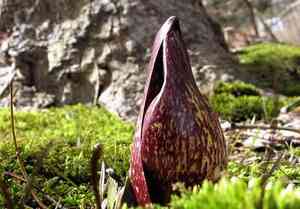
1
The Eastern skunk cabbage possesses a remarkable capacity to generate warmth, reaching temperatures of 70°F even in chilly conditions.
2
Its characteristic scent can act as a natural insect repellent.
3
By stabilizing soil, Eastern skunk cabbage plays a role in maintaining the health of wetland environments.
What Makes Eastern skunk cabbage Unique?
Thermogenesis: Nature's Heater
A remarkable trait of Eastern skunk cabbage is its capacity to generate warmth through a process called thermogenesis. This enables the plant to reach temperatures of approximately 70°F, even when ambient temperatures are low in early spring. This distinct characteristic not only aids its survival in colder climates but also attracts early pollinators drawn to the heat.
Repelling Pests with Odor
While its pungent aroma might be unpleasant to humans, this scent serves a practical function in nature. The smell acts as a deterrent to insects and pests that could otherwise harm the plant. By safeguarding itself in this manner, Eastern skunk cabbage can flourish and continue to contribute to its ecosystem.
Environmental Benefits of Eastern skunk cabbage
Erosion Control
In wetland regions, soil erosion can be a major concern. Eastern skunk cabbage helps alleviate this issue due to its extensive root system, which stabilizes the soil and reduces erosion. This contributes to healthier wetland environments, preserving these crucial ecosystems for future generations.
Water Filtration
The dense root system of Eastern skunk cabbage also plays a vital role in purifying water. By absorbing and breaking down pollutants, the plant assists in maintaining cleaner waterways. This natural filtration process supports the well-being of aquatic life and enhances overall environmental quality.
Role in Wetland Ecosystem
Supporting Biodiversity
Wetlands are among the most biodiverse ecosystems on Earth, and Eastern skunk cabbage is a crucial component of this diversity. It provides habitat and sustenance for various animals and insects. The plant's early bloom offers an essential food source for pollinators like bees and flies before other flowers emerge.
Nutrient Recycling
Eastern skunk cabbage plays a significant part in nutrient cycling within its ecosystem. By absorbing nutrients from the soil and water, the plant helps maintain nutrient equilibrium. When parts of the plant decompose, these nutrients are released back into the environment, enriching the soil and supporting other plant life.
How Can You Support Wetland Conservation?
Promoting Awareness
One of the most effective ways to support wetland conservation is by raising awareness about the importance of plants like Eastern skunk cabbage. Educating others about their benefits can lead to greater support for conservation efforts and policies.
Participating in Local Conservation Efforts
Getting involved in local conservation initiatives is another excellent way to make a difference. Many organizations focus on preserving wetland areas and can always use additional help. Volunteering your time or resources can have a significant impact on protecting plants like Eastern skunk cabbage and their habitats.



