The White heath aster Plant Advantage: Maximizing Home and Office Appeal and Wellness
1
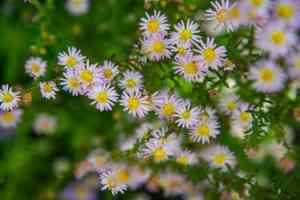
White heath aster is a robust perennial that flourishes in diverse soil types.
2
Its tiny, white blossoms draw in helpful pollinators such as bees and butterflies.
3
This species is recognized for its ability to withstand dry spells and requires minimal upkeep.
What are the Growth Characteristics of White heath aster?
Versatility and Resilience
White heath aster shows great flexibility across various climates and soil types. Its capacity to flourish in diverse settings makes it a practical option for gardeners of all experience levels. Whether your garden is sunny or partly shaded, this plant will thrive with minimal upkeep.
Aridity Resistance
A notable quality of White heath aster is its ability to withstand dry conditions. Once rooted, it needs little water, making it an ideal selection for those aiming for a beautiful garden with reduced irrigation. This trait not only saves water but also simplifies plant care during dry spells.
Seasonal Allure
White heath aster flowers from late summer into autumn, presenting a lively show of small, white blossoms. The extended flowering period ensures your garden stays appealing for a longer duration, offering continuous visual appeal during the latter part of the growing season.
How Does White heath aster Benefit Biodiversity?
Attracting Pollinators
The delicate blooms of White heath aster are highly attractive to various pollinators, including bees and butterflies. By drawing in these beneficial insects, the plant aids in the pollination of other garden plants, fostering a healthier and more varied ecosystem.
Supporting Local Fauna
White heath aster not only draws pollinators but also provides sustenance for other helpful insects. By incorporating this plant into your garden, you contribute to sustaining local wildlife populations, creating a balanced and flourishing ecosystem.
How to Cultivate and Maintain White heath aster in Your Garden?
Trimming and Spent Flower Removal
Pruning is generally not required for White heath aster, but removing faded flowers can encourage more blooms and prolong the flowering period. At season's end, cut back the plant to help it maintain a tidy appearance and to eliminate any dead or damaged parts.
Planting White heath aster
When planting White heath aster, select a spot with ample sunlight and well-draining soil. Although adaptable, the plant performs best in full sun. Dig a hole large enough for the root ball, position the plant, and backfill with soil. Water thoroughly to aid in establishment.
Watering and Fertilization
While White heath aster tolerates drought, it's crucial to water it consistently during its initial growth phase to help develop strong roots. Once established, decrease watering frequency. This plant typically doesn't need frequent fertilization; however, a light feeding in early spring can promote vigorous growth and abundant flowering.
Can White heath aster be Utilized as Ground Cover?
Versatile Ground Cover
White heath aster can be an excellent option for ground cover due to its spreading habit and low-growing nature. Its dense growth helps suppress weeds, reducing the need for extra weeding efforts in your garden.
Erosion Prevention
Thanks to its extensive root system, White heath aster is effective at preventing soil erosion. Plant it on slopes or in areas prone to erosion to stabilize the soil and keep your garden looking neat and orderly.
Which Companion Plants Pair Well with White heath aster?
Complementary Blooms
White heath aster combines well with other late-season bloomers such as purple coneflower, goldenrod, and black-eyed Susan. These pairings create a vibrant and diverse garden that attracts pollinators and offers a continuous display of color.
Enhancing Garden Aesthetics
Consider blending White heath aster with ornamental grasses for a naturalistic garden look. The fine, airy texture of the asters complements the bold, architectural forms of grasses, adding interest and depth to your garden design.



