The Coralberry Plant Advantage: Maximizing Home and Office Appeal and Wellness
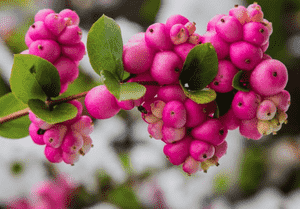
1
Coralberry requires minimal care, making it suitable for diverse garden environments.
2
It offers superb shelter and sustenance for local fauna, particularly avian species.
3
Its fruit contributes continuous aesthetic value to your outdoor space.
How Can Coralberry Enhance Garden Beauty?
Year-Round Visual Appeal
Coralberry features attractive fruits that persist through winter, offering a burst of color even in the coldest periods. Its vibrant green leaves transform to a lovely reddish-purple in autumn, boosting its decorative appeal.
Flexible Planting Choices
Whether utilized as ground cover, in borders, or within a mixed hedge, Coralberry integrates well into diverse garden layouts. Its low-growing nature makes it ideal for filling spaces and forming a thick, appealing cover.
What Are the Environmental Advantages of Coralberry?
Supporting Wildlife
Coralberry's berries act as a vital food source for numerous bird species, particularly in winter when provisions are scarce. Furthermore, its dense foliage offers excellent shelter and nesting sites for smaller creatures.
Erosion Control
Coralberry's extensive root system aids in soil stabilization, making it a superb choice for preventing erosion on slopes and banks. Its capacity to flourish in various soil conditions further boosts its effectiveness in curbing soil loss.
What Are the Care Requirements for Coralberry?
Low Watering Needs
Once established, Coralberry demands minimal watering, making it a drought-tolerant option for gardeners desiring low-maintenance plants. It thrives with natural precipitation, lessening the need for extra irrigation.
Pest and Disease Resistance
Coralberry is recognized for its resilience against common garden pests and ailments, meaning less intervention is required. This trait not only saves time but also decreases the necessity for chemical treatments.
How to Integrate Coralberry into Your Garden?
Selecting the Optimal Spot
To optimize Coralberry's advantages, choose a planting site that receives partial to full sunlight. The plant adapts to various soil types, though it thrives best in well-drained earth.
Planting and Maintenance Advice
Position plants about 3-4 feet apart to allow for proper development. Applying mulch around the base can help retain moisture and inhibit weeds. Prune in late winter or early spring to maintain form and promote robust growth.



