The Creeping Snowberry Plant Advantage: Maximizing Home and Office Appeal and Wellness
1
Flourishes in diverse soil conditions, offering flexibility to cultivators.
2
Draws in beneficial insects, boosting regional ecological variety.
3
Requires minimal upkeep and withstands dry spells, ideal for effortless horticulture.
What Makes Creeping Snowberry Unique?
Versatility in Soil Types
Creeping Snowberry adapts well to various soil compositions, from sandy to clayey. This flexibility allows it to flourish in diverse garden settings, making it a great option for different environments. Its capacity to root in various soil types ensures you can enjoy its advantages regardless of your area's natural soil conditions.
Supporting Local Pollinators
A key ecological advantage of Creeping Snowberry is its ability to draw in and sustain local pollinators. The plant produces blooms that offer nectar and pollen to bees, butterflies, and other beneficial insects. This not only boosts your garden's biodiversity but also aids the broader ecosystem's health by supporting pollinator populations.
Why Select Creeping Snowberry for Your Garden?
Minimal Upkeep Requirements
For those who prefer easy-care gardening, Creeping Snowberry is an excellent choice. Once established, this plant needs little attention, thriving with minimal intervention. It resists pests and diseases, reducing the need for chemical treatments. Additionally, its drought tolerance ensures it can endure dry spells, making it a sustainable option for water-conscious gardeners.
Erosion Control and Soil Stability
Creeping Snowberry possesses an extensive root system that helps stabilize soil and prevent erosion. When planted on slopes or areas prone to soil movement, it effectively anchors the soil, safeguarding your landscape from erosion damage. This makes it a practical choice for preserving your garden's structural integrity and reducing long-term maintenance efforts.
Can Creeping Snowberry Enhance Your Garden's Beauty?
Appealing Seasonal Foliage
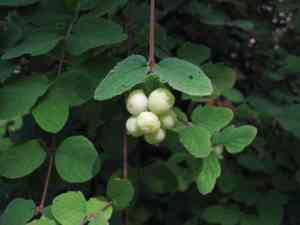
Beyond its ecological benefits, Creeping Snowberry is also valued for its visual appeal. The plant features attractive leaves that change with the seasons, adding visual interest to your garden throughout the year. Its foliage provides a lush backdrop in the growing season and vibrant colors in the fall, making it a versatile decorative element.
Complementing Other Plants
Creeping Snowberry can be seamlessly integrated with other plants in your garden, enhancing various landscape designs. Its growth habit allows it to fill empty spaces in garden beds and offer a contrasting texture to other plants. Whether used as a ground cover or in mixed borders, Creeping Snowberry improves the overall visual harmony of your outdoor space.
How to Integrate Creeping Snowberry into Your Garden?
Optimal Planting Conditions
To maximize Creeping Snowberry's benefits, it's crucial to plant it under ideal conditions. Choose a spot with partial to full sunlight and ensure the soil drains well. Though adaptable, Creeping Snowberry performs best when given a good start with proper planting methods. Amending the soil with organic matter can further boost its growth and health.
Companion Planting Strategies
Consider companion planting techniques to fully incorporate Creeping Snowberry into your garden design. Pair it with other drought-tolerant and pollinator-friendly plants to create a cohesive and sustainable landscape. Examples include lavender, sage, and ornamental grasses, which complement Creeping Snowberry's growth habits and ecological advantages.



