The Common snowberry Plant Advantage: Maximizing Home and Office Appeal and Wellness
1
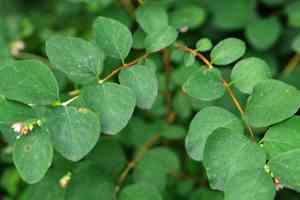
Symphoricarpos albus is recognized for its decorative qualities and adaptability to diverse soil types.
2
Its fruit offers vital sustenance for animals, particularly in colder seasons.
3
Symphoricarpos albus serves as an effective option for preventing soil erosion because of its widespread root network.
Why is Common snowberry a Garden Favorite?
Visual Allure
A primary reason for the Common snowberry's garden appeal is its aesthetic charm. This plant showcases delicate white to pinkish blossoms in clusters, lending a delightful visual element to any garden space. Furthermore, its green leaves transition into stunning autumn hues, offering year-round visual interest. This trait makes Common snowberry a versatile option for diverse garden styles, from formal landscapes to natural meadows.
Soil Versatility
Common snowberry thrives across various soil types, from rich, well-drained earth to clay and rocky ground. This adaptability ensures Common snowberry can flourish in diverse garden environments without extensive soil preparation. Moreover, its drought resistance makes it an excellent choice for gardeners in water-scarce regions, guaranteeing a vibrant garden even during dry periods.
How Common snowberry Benefits Local Wildlife
Pollinator Attraction
Common snowberry acts as a magnet for pollinators like bees, butterflies, and other beneficial insects. Its clusters of small flowers offer abundant nectar, supporting these vital creatures during their active seasons. By planting Common snowberry, gardeners can bolster local ecosystem health, fostering biodiversity and ensuring the pollination of nearby plants.
Food Source for Fauna
The berries of Common snowberry serve as a crucial food source for various bird species and small mammals, especially in winter when other provisions are scarce. These berries supply essential nutrients and energy, aiding wildlife survival in harsh conditions. By including Common snowberry in your garden, you create a haven that supports local animals, enriching the ecological balance.
How Common snowberry Enhances Soil Health?
Erosion Prevention
One of the most practical advantages of Common snowberry is its role in erosion control. Its extensive root system stabilizes the soil, reducing erosion risk on slopes and in areas with loose earth. This feature is particularly beneficial for gardens situated on hillsides or near water bodies, where erosion can pose a significant challenge.
Soil Enrichment
Beyond preventing erosion, Common snowberry also contributes to soil enrichment. Its leaf litter and organic matter decompose over time, adding valuable nutrients to the soil. This natural mulch improves soil fertility and structure, promoting robust plant growth and lessening the need for synthetic fertilizers.
Integrating Common snowberry into Your Garden
Planting and Care Guidelines
Incorporating Common snowberry into your garden is relatively simple, thanks to its low maintenance needs. It's best to plant Common snowberry in a sunny to partially shaded spot for optimal growth. Water it regularly during its establishment phase, but once settled, Common snowberry becomes quite drought-tolerant. Pruning is minimal and can be done to shape the plant or remove dead branches. Additionally, apply mulch around the base to retain moisture and suppress weed growth.
Design Concepts
Common snowberry can be utilized in various garden designs, from standalone focal points to components of mixed borders and hedges. Its dense foliage makes it suitable for privacy screens, while its blooms and berries add interest to wildflower gardens and naturalized areas. Combine Common snowberry with other native plants to create a harmonious and sustainable garden aesthetic that benefits both you and the local ecosystem.



