The Japanese Snowbell Plant Advantage: Maximizing Home and Office Appeal and Wellness
1
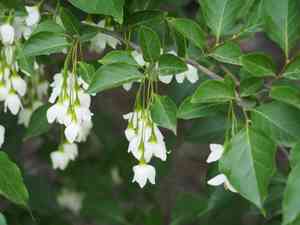
The Japanese Snowbell tree yields lovely, aromatic white blossoms in late spring.
2
This tree requires minimal care and flourishes in both bright sunlight and dappled light.
3
Its foliage and blooms draw in helpful pollinators such as bees and butterflies.
Why Japanese Snowbell Excels in Landscaping?
Distinctive Visual Charm
A primary reason Japanese Snowbell is highly valued in landscaping is its unique aesthetic appeal. The tree showcases small, bell-shaped white blossoms that gracefully hang from its branches, creating a stunning display in late spring and early summer. These flowers are not only visually captivating but also impart a subtle scent to your garden, making outdoor areas more inviting for relaxation and enjoyment.
Minimal Upkeep Needs
Beyond its beauty, Japanese Snowbell is also prized for being a low-maintenance tree. It adapts to various soil types and thrives in both full sun and partial shade, making it versatile for diverse garden environments. Once established, Japanese Snowbell needs minimal watering and is generally resistant to pests and diseases. This makes it an ideal choice for gardeners of all skill levels, from beginners to experienced horticulturists.
How Does Japanese Snowbell Benefit the Environment?
Supports Local Wildlife
The blooms of Japanese Snowbell are not just attractive; they also play a vital role in supporting local wildlife. The nectar from the flowers attracts beneficial pollinators like bees and butterflies, which are crucial for a healthy garden ecosystem. Furthermore, its dense foliage offers shelter for various small birds and insects, further enriching biodiversity in your outdoor space.
Enhances Air Quality
Like many other tree species, Japanese Snowbell helps improve air quality by acting as a natural air purifier. The tree absorbs carbon dioxide and other pollutants from the air while releasing oxygen, thereby contributing to a healthier environment. This benefit is particularly significant in urban or suburban areas, where air quality can often be compromised by pollution.
How to Grow Japanese Snowbell in Your Garden?
Optimal Planting Conditions
Japanese Snowbell is quite flexible regarding planting conditions, but certain factors can optimize its growth. The tree prefers well-drained soil and performs best when planted in a location receiving full sun to partial shade. While it tolerates various soil types, enriching the soil with organic compost can boost its growth and flowering potential. It's advisable to plant Japanese Snowbell in early spring or fall to allow root establishment before extreme weather conditions.
Watering and Fertilization
Despite being a low-maintenance tree, proper watering and fertilization significantly impact Japanese Snowbell's health and longevity. During its initial growing season, consistent watering is crucial for the tree to establish a strong root system. Once established, Japanese Snowbell becomes more drought-tolerant, requiring only occasional watering during extended dry periods. Fertilizing in early spring with a balanced, slow-release fertilizer will promote vigorous growth and abundant blooms.
What Are the Aesthetic and Practical Uses of Japanese Snowbell?
Improving Garden Aesthetics
Japanese Snowbell can play a key role in garden design, thanks to its ornamental qualities. Its elegant white flowers and lush green foliage can serve as a focal point in any garden layout. Whether planted as a single specimen or in groups, it adds a touch of sophistication and charm to your outdoor space. Moreover, Japanese Snowbell pairs well with various other plants, making it easy to integrate into different garden themes, from cottage gardens to modern landscapes.
Providing Natural Shade
Another practical benefit of planting Japanese Snowbell is its ability to offer natural shade. As the tree matures, its canopy expands, providing a cool retreat during hot summer months. This makes it an excellent choice for planting near patios, walkways, or seating areas, where it can enhance comfort and usability. Additionally, the shade provided by Japanese Snowbell can help reduce the temperature around your home, contributing to energy savings by lessening the need for air conditioning.



