The Japanese pagoda tree Plant Advantage: Maximizing Home and Office Appeal and Wellness
1
The Japanese pagoda tree provides substantial ecological advantages, such as enhancing soil quality.
2
This plant possesses historical applications spanning many centuries across diverse societies.
3
Growing and caring for the Japanese pagoda tree is straightforward, making it a favored option for city green spaces.
What Are the Environmental Advantages of the Japanese pagoda tree?
Soil Enhancement
The Japanese pagoda tree significantly boosts soil quality. As a nitrogen-fixing plant, it enriches the earth with vital nutrients, making it more fertile and beneficial for other vegetation. This characteristic makes it an excellent option for improving poor or depleted soils.
Erosion Prevention
The robust root system of the Japanese pagoda tree helps prevent soil erosion. Its roots bind the soil together, making it a great choice for planting in areas prone to erosion, such as slopes and riverbanks. This not only preserves the terrain but also helps sustain the local ecosystem.
What Traditional Applications Does the Japanese pagoda tree Possess?
Cultural Importance
Throughout history, the Japanese pagoda tree has held significance in various cultures. Specifically, it has played a role in traditional ceremonies and rituals in its native regions. Its beauty and longevity make it a symbol of endurance and elegance.
Folk Remedies and Practices
While not a substitute for medical treatments, the Japanese pagoda tree has been used in traditional practices. Various parts of the plant, including its blossoms and bark, have been incorporated into ancient recipes and remedies deeply rooted in cultural customs.
Why Is the Japanese pagoda tree Ideal for City Landscaping?
Low Upkeep
One of the compelling reasons the Japanese pagoda tree is favored for urban landscaping is its minimal maintenance needs. Once established, it requires little watering and can endure various weather conditions, making it a resilient addition to urban green spaces.
Aesthetic Appeal
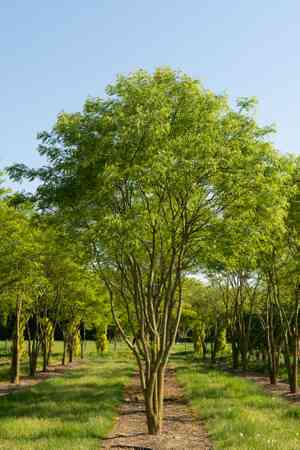
The Japanese pagoda tree is highly valued for its striking white flowers and lush foliage, which add beauty to any landscape. Its ability to bloom profusely and withstand pruning makes it a versatile choice for gardens, parks, and street plantings.
What Are the Other Benefits of the Japanese pagoda tree?
Wildlife Support
The Japanese pagoda tree serves as a habitat and food source for various bird and insect species. Its flowers attract pollinators, contributing to biodiversity and the overall health of the ecosystem.
Air Purification
Another environmental advantage of the Japanese pagoda tree is its capacity to improve air quality. By absorbing carbon dioxide and releasing oxygen, it plays a role in reducing air pollution in urban areas.



