The Golden oats Plant Advantage: Maximizing Home and Office Appeal and Wellness
1
Golden oats offers superb ground coverage and helps prevent soil degradation.
2
This species tolerates arid conditions, making it perfect for dry regions.
3
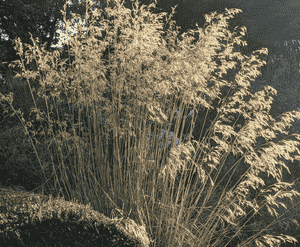
Golden oats enhances aesthetic appeal with its prominent golden inflorescences.
Why Select Golden Oats for Your Garden?
Exceptional Visual Appeal
Golden oats is renowned for its tall, graceful golden seed heads that gently sway in the breeze, introducing a dynamic element to garden settings. Its airy look can impart a sense of motion and softness, making it an ideal centerpiece or complementary feature in garden layouts. Its golden shade beautifully contrasts with green foliage, offering year-round visual interest.
Minimal Upkeep Requirements
A key advantage of Golden oats is its low-maintenance nature. Once rooted, the plant needs little watering and can flourish in diverse soil conditions, including poor ones. Its drought resistance makes it a perfect option for gardeners seeking a robust and easy-to-care-for addition to their outdoor spaces.
How Does Golden Oats Enhance Soil Quality?
Erosion Prevention
Golden oats plays a crucial role in preventing soil erosion, thanks to its strong root system. The plant's roots help stabilize the earth, making it an excellent choice for sloped areas and regions prone to erosion. By reducing soil loss, Golden oats can help preserve soil fertility and support the overall health of garden ecosystems.
Soil Fertility Improvement
Golden oats contributes to soil health in multiple ways. The plant's organic matter, upon decomposition, enriches the soil with vital nutrients, enhancing its structure and fertility. This benefit makes Golden oats an invaluable plant for sustainable gardening practices, fostering vigorous plant growth and a flourishing garden environment.
What Wildlife Advantages Does Golden Oats Provide?
Habitat for Beneficial Insects
Golden oats offers a home for various beneficial insects, including pollinators like bees and butterflies. These insects are essential for plant pollination and contributing to biodiversity. By integrating Golden oats into your garden, you can establish a supportive environment for these vital creatures.
Shelter for Small Animals
The thick foliage of Golden oats provides refuge and nesting spots for small wildlife, including birds and small mammals. By adding this plant to your garden, you help create a habitat that supports a wide array of species, improving ecological balance and promoting a healthy garden ecosystem.
How to Cultivate and Care for Golden Oats?
Planting Advice
When planting Golden oats, select a well-drained spot with ample sunlight to ensure the plant thrives. While Golden oats can tolerate various soil types, it performs best in moderately fertile soils. Space the plants appropriately to allow for good air circulation, which can help prevent disease-related issues.
Watering and Maintenance
Once established, Golden oats requires minimal watering, making it a water-efficient choice for gardens. During extended dry spells, occasional watering can help maintain its vibrant appearance. Pruning the plant in late winter or early spring can encourage new growth and preserve its attractive shape throughout the growing season.
What Are the Landscape Design Applications of Golden Oats?
Focal Points and Highlights
Golden oats's striking appearance makes it an excellent option for focal points and accents in garden design. The plant's height and graceful seed heads can draw the eye and provide a central point of interest in both large and small garden spaces. Pairing Golden oats with other contrasting plants can help create a visually appealing and balanced landscape.
Creating Natural Boundaries
Golden oats is also suitable for forming natural borders and defining garden areas. Its dense growth habit can create an effective barrier that separates different garden zones while maintaining an organic and flowing look. This plant can be particularly effective along paths, garden edges, and as a backdrop for shorter plants.



