The Prairie Dropseed Plant Advantage: Maximizing Home and Office Appeal and Wellness
1
Perfect for eco-friendly gardens because it tolerates dry conditions.
2
Improves ground health by preventing soil loss.
3
Draws in helpful bugs and animals, boosting ecological variety.
Why Prairie Dropseed is Ideal for Sustainable Landscapes
Drought Tolerance
A key characteristic of Prairie Dropseed is its remarkable drought tolerance. Once rooted, it needs little irrigation, making it perfect for xeriscaping and water-efficient gardening. This not only saves water but also lessens the effort needed to maintain a vibrant, healthy garden.
Erosion Control
Soil erosion poses a major issue in both residential and commercial settings. The robust root system of Prairie Dropseed effectively anchors soil particles, reducing erosion and preventing soil degradation. This makes it a valuable plant for stabilizing sloped and vulnerable areas.
How Prairie Dropseed Enhances Your Landscape's Beauty?
Visual Appeal
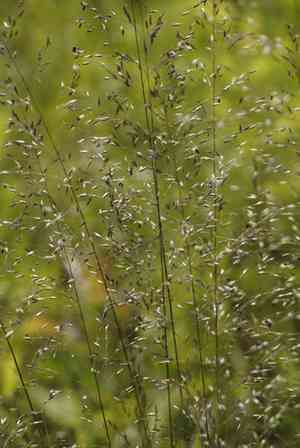
Prairie Dropseed exhibits a graceful, arching growth habit that lends elegance to any landscape. Its fine, airy texture beautifully contrasts with more rigid plants, creating a diverse and visually engaging garden. Furthermore, its delicate seed heads gently sway in the breeze, adding movement and dynamic interest to your outdoor space.
Year-Round Interest
The aesthetic charm of Prairie Dropseed changes with the seasons, ensuring your garden remains appealing throughout the year. In summer, its lush green foliage provides a refreshing backdrop, while in autumn, it transforms into a stunning display of golden hues. Even in winter, the dried seed heads continue to offer visual interest against snow or bare ground.
How Does Prairie Dropseed Benefit Local Wildlife?
Attracting Beneficial Insects
Integrating Prairie Dropseed into your garden can significantly boost local biodiversity. The plant draws in various beneficial insects, including pollinators like bees and butterflies. These insects are vital for pollinating other plants in your garden, improving overall plant health and productivity.
Providing Wildlife Habitat
Prairie Dropseed also offers valuable shelter for small birds and mammals. Its dense, clumping growth provides cover and nesting sites, supporting local wildlife populations. By including Prairie Dropseed in your garden, you contribute to a balanced and thriving ecosystem.
What Are the Care Requirements for Prairie Dropseed?
Minimal Irrigation
One of the most appealing aspects of Prairie Dropseed is its low maintenance needs. Once established, it thrives with minimal watering, making it an excellent choice for busy gardeners or those aiming to reduce water consumption. Regular watering is only necessary during extended dry periods or immediately after planting.
Low Nutrient Needs
Prairie Dropseed is not a heavy feeder, so it doesn't require frequent fertilization. In fact, it performs best in soils with low to moderate fertility. Over-fertilizing can lead to excessive growth, which can compromise the plant's structural integrity. A yearly application of a balanced, slow-release fertilizer is usually sufficient.
Can Prairie Dropseed Improve Soil Quality?
Enhancing Soil Structure
The dense and fibrous root system of Prairie Dropseed significantly impacts soil structure. As the roots grow and decompose, they create channels in the soil, improving its porosity and water retention capacity. This leads to healthier soil, which benefits the growth of other plants.
Nutrient Cycling
The roots of Prairie Dropseed also play a crucial role in nutrient cycling. They break down organic matter, releasing essential nutrients back into the soil, which can then be absorbed by nearby plants. This natural process reduces the need for chemical fertilizers and promotes a more sustainable gardening approach.



