The Alkali sacaton Plant Advantage: Maximizing Home and Office Appeal and Wellness
1
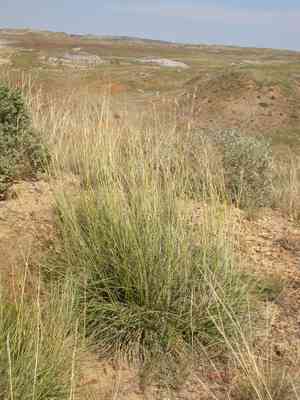
Alkali sacaton withstands dry spells and flourishes in infertile ground.
2
This grass excels at preventing soil loss in regions with elevated salt levels.
3
Alkali sacaton offers crucial shelter for animals, boosting ecological variety.
What Makes Alkali sacaton Unique?
Resilience to Challenging Environments
A key characteristic of Alkali sacaton is its remarkable resilience. This grass thrives in settings where other flora struggles, particularly in highly saline and nutrient-poor soils. Its capacity to flourish in adverse conditions makes it a dependable option for landscape designers facing difficult terrains. Furthermore, Alkali sacaton is highly drought-resistant, needing minimal water once rooted, thereby lowering upkeep expenses and conserving water resources.
Erosion Prevention Capabilities
Another significant advantage of Alkali sacaton is its efficacy in preventing soil erosion. Its extensive root system helps stabilize the ground, averting erosion caused by wind and water. This positions Alkali sacaton as an excellent choice for areas prone to erosion, such as sandy inclines and riverbanks. By cultivating Alkali sacaton, you can safeguard your landscape from degradation and preserve the soil's integrity, fostering a more sustainable environment.
How Does Alkali sacaton Support Wildlife?
Habitat Provision
Alkali sacaton plays a vital role in sustaining local wildlife. It offers shelter and sustenance for various insects and birds, fostering biodiversity. The dense foliage of Alkali sacaton provides refuge for small creatures, shielding them from predators and harsh weather. By integrating Alkali sacaton into your landscape, you can establish a flourishing ecosystem that supports a diverse array of species.
Seed Production
Beyond offering shelter, Alkali sacaton generates seeds that serve as a food source for birds and other wildlife. The abundant seed yield ensures a consistent food supply throughout the year, especially during the severe winter months when other food sources are scarce. This aspect of Alkali sacaton not only benefits wildlife but also enhances the visual appeal of your landscape with its feathery seed heads swaying in the breeze.
Why Alkali sacaton is Ideal for Landscaping?
Aesthetic Charm
Alkali sacaton elevates the visual appeal of any landscape with its graceful, flowing appearance. Its fine-textured leaves and tall seed stalks create an attractive, decorative effect that can complement various garden styles. Whether utilized as a ground cover, in rock gardens, or as part of a mixed border, Alkali sacaton adds a touch of elegance and natural beauty to the landscape.
Minimal Upkeep Requirements
One of the most attractive features of Alkali sacaton for landscapers is its low maintenance demands. Once established, Alkali sacaton requires minimal care, thriving with little water and no need for frequent fertilization or trimming. This characteristic makes it an excellent choice for those seeking to create sustainable landscapes that demand less time and effort to maintain, allowing you to enjoy a beautiful garden with less work.
Can Alkali sacaton Improve Soil Health?
Soil Aeration and Structure
The deep roots of Alkali sacaton are crucial for enhancing soil health. These roots penetrate deep into the earth, improving soil structure and aeration. Better soil aeration facilitates superior water infiltration and root growth for nearby plants. By incorporating Alkali sacaton into your landscape, you can boost the overall health of your soil, making it more fertile and conducive to plant growth.
Nutrient Cycling
Alkali sacaton also contributes to nutrient cycling within the soil. As the grass grows and sheds its leaves, organic matter is introduced to the soil, which decomposes and enriches it with vital nutrients. This natural process reduces the need for synthetic fertilizers, promoting a healthier, more balanced ecosystem. Additionally, Alkali sacaton can aid in remediating saline soils, making it easier for other plants to establish themselves in such conditions.



