The Japanese meadowsweet Plant Advantage: Maximizing Home and Office Appeal and Wellness
1
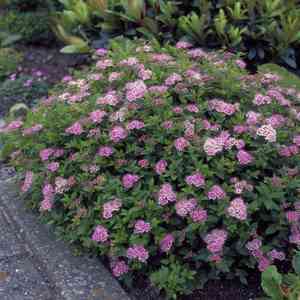
Spiraea japonica is a favored decorative plant recognized for its attractive pink blossoms.
2
It shows great versatility across various settings and challenging circumstances.
3
Spiraea japonica aids in stopping soil degradation and enhancing the visual appeal of gardens.
Why is Japanese Meadowsweet a Top Gardening Choice?
Visual Charm
The standout characteristic of Japanese meadowsweet is its clusters of small, pink blossoms that appear abundantly from late spring to mid-summer. This lively display not only brightens gardens but also draws in pollinators such as bees and butterflies, thereby bolstering local ecosystems. The delicate flowers are complemented by rich, green leaves that transform into a lovely yellow or red hue in autumn, extending its visual appeal across multiple seasons.
Adaptability to Diverse Conditions
Japanese meadowsweet is a versatile plant capable of flourishing in various soil types, from sandy to clay. It also adjusts well to different pH levels, meaning it can grow effectively in both acidic and alkaline soils. This flexibility makes it an excellent option for new gardeners who may not yet have mastered complex soil management. Furthermore, Japanese meadowsweet is quite drought-tolerant once established, reducing the need for frequent watering.
How Does Japanese Meadowsweet Enhance Garden Health?
Erosion Prevention
One of the less recognized but incredibly valuable advantages of Japanese meadowsweet is its capacity to prevent soil erosion. Its dense root system helps bind the soil, stopping it from being washed away during heavy rainfall. This makes Japanese meadowsweet an ideal selection for planting on slopes or other areas prone to erosion. By stabilizing the soil, it also contributes to a healthier, more balanced local environment.
Minimal Pesticide Requirement
Japanese meadowsweet naturally resists many common pests and diseases, which means you can reduce or even eliminate the use of chemical pesticides. This is not only better for the environment but also safer for pets, children, and beneficial insects like pollinators. Integrated Pest Management (IPM) becomes simpler to implement with Japanese meadowsweet, as it requires less intervention to maintain its health.
How Can You Incorporate Japanese Meadowsweet Into Your Landscape Design?
Perfect for Borders and Edges
Japanese meadowsweet is widely utilized for creating borders, edges, and low hedges due to its compact growth habit and continuous bloom cycles. Planting Japanese meadowsweet along garden paths or at the front of garden beds can establish a defined and visually pleasing boundary. Additionally, the plant's medium height makes it ideal for layering with taller shrubs or trees behind it and smaller ground covers in front.
Pairing With Other Plants
To create a visually dynamic garden, combine Japanese meadowsweet with other plants that have different blooming cycles and foliage textures. For instance, pairing Japanese meadowsweet with evergreen shrubs or perennials like hostas and daylilies can offer year-round interest. The contrast between Japanese meadowsweet's vibrant flowers and the lush greenery of companion plants enhances the overall aesthetic appeal of your garden.
What Are the Ecological Benefits of Japanese Meadowsweet?
Pollinator Support
Japanese meadowsweet offers a dependable source of nectar for pollinators such as bees and butterflies. By including this plant in your garden, you are contributing to the conservation of these vital creatures. Pollinators play a crucial role in the health and reproduction of many plants, and having a garden that supports them can lead to a more productive and vibrant ecosystem.
Microfauna Habitat
The dense foliage of Japanese meadowsweet provides refuge for various small creatures, including beneficial insects and birds. This microhabitat not only supports biodiversity but also contributes to a healthy garden ecosystem. These creatures assist with pest control and pollination, thereby creating a balanced and self-sustaining environment. By planting Japanese meadowsweet, you are fostering a mini-ecosystem that can thrive independently with minimal intervention.



