The African tulip tree Plant Advantage: Maximizing Home and Office Appeal and Wellness
1
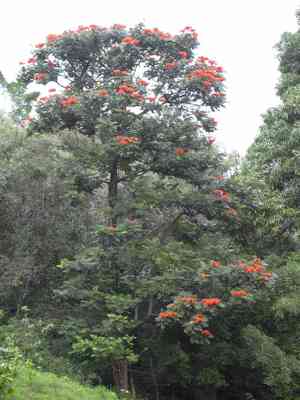
The African tulip tree is recognized for its vivid, tulip-like blossoms that draw in pollinators.
2
Its swift development makes this plant a superb option for establishing shade rapidly.
3
This tree species can enhance ground fertility because of its ability to fix nitrogen.
How Can African tulip tree Enhance Your Garden's Beauty?
Striking Visual Appeal
A primary advantage of adding African tulip tree to your garden is its immediate aesthetic impact. The tree showcases large, cup-shaped blossoms in vivid orange and red hues. These blooms not only introduce a burst of color but also serve as a central feature in any garden, making it a favored option for decorative purposes.
Attracts Local Wildlife
Beyond its visual charm, African tulip tree acts as a magnet for various wildlife. Its abundant flowers draw in numerous pollinators, including bees, butterflies, and birds. This not only boosts your garden's biodiversity but also supports local ecosystems by supplying vital food sources for these creatures.
What Are the Ecological Benefits of African tulip tree?
Soil Enhancement
A less recognized benefit of African tulip tree is its capacity to improve soil quality. The tree's root system is known for its nitrogen-fixing capabilities, which can naturally enrich the soil. This positions African tulip tree as an excellent plant for poor soil conditions, contributing to a healthier, more fertile garden bed.
Climate Adaptability
Another key ecological advantage is the tree's resilience to diverse climatic conditions. African tulip tree thrives particularly well in tropical and subtropical regions and can endure periods of drought. Its hardiness makes it a dependable selection for gardeners aiming to establish sustainable landscapes in areas prone to climate fluctuations.
How Does African tulip tree Contribute to Garden Utility?
Rapid Growth for Quick Shade
If you require a fast-growing tree for shade, African tulip tree is an excellent choice. The tree can achieve impressive heights in a short timeframe, offering a practical solution for quickly creating shaded areas in your garden. This swift growth can help mitigate intense sun, making your outdoor spaces more comfortable during warm weather.
Erosion Prevention
The robust root system of African tulip tree also plays a vital role in preventing soil erosion. This makes it an ideal plant for areas susceptible to erosion, such as slopes or riverbanks. The tree's extensive root network stabilizes the soil, reducing erosion risk and fostering a more stable, healthy landscape.
Why Is African tulip tree a Practical Option for Urban Settings?
Noise Reduction
Urban gardeners will value African tulip tree for its potential to lessen noise pollution. Its dense foliage and wide canopy can function as a natural sound barrier, absorbing and deflecting noise from roads, construction sites, and other urban disturbances. This makes African tulip tree a practical choice for cultivating quieter, more tranquil urban gardens.
Air Quality Improvement
Another significant advantage of growing African tulip tree in urban environments is its ability to enhance air quality. The tree's large leaves can capture dust, pollutants, and particulate matter from the air, acting as a natural air purifier. This contributes to a healthier living environment, especially in densely populated cities where air pollution is a concern.



