The European mountain-ash Plant Advantage: Maximizing Home and Office Appeal and Wellness
1
European mountain-ash is recognized for its decorative appeal and ecological advantages.
2
Its fruit is packed with vitamins and antioxidants, promoting general well-being.
3
Originating from diverse areas, European mountain-ash plays a vital role in indigenous ecosystems.
What Makes European mountain-ash So Special?
Ornamental Beauty
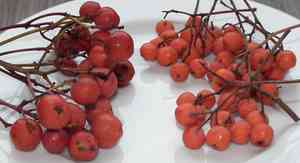
European mountain-ash enhances any setting with its vibrant red fruits and rich foliage. This plant isn't merely attractive; it enriches gardens, parks, and wild areas with its lively appearance. Furthermore, its seasonal color changesâfrom white blossoms in spring to fiery red berries in autumnâmake it a sought-after plant for decorative purposes.
Wildlife Sanctuary
European mountain-ash plays a vital role in supporting local fauna. Its berries offer crucial sustenance for birds and small animals, particularly during colder periods when other food sources are scarce. The plant's dense leaves also provide refuge and nesting sites, fostering a miniature ecosystem that promotes biodiversity.
How Does European mountain-ash Benefit Human Health?
Nutrient-Rich Berries
The berries of the European mountain-ash are a nutritional powerhouse. They are especially abundant in vitamins C and A, antioxidants, and dietary fibers. These components bolster the immune system, aid digestion, and support overall wellness. Regular consumption of these berries, whether fresh or preserved as jams, can be a valuable addition to a healthy diet.
Natural Antioxidants
The antioxidants present in European mountain-ash berries help protect our cells from free radicals, thereby reducing oxidative stress. This can potentially lower the risk of chronic illnesses and contribute to a healthier lifestyle. Incorporating these berries into your diet can be a tasty way to boost your antioxidant intake.
Why Is European mountain-ash Important for the Environment?
Erosion Control
European mountain-ash is effective at preventing soil erosion. Its extensive root system stabilizes the ground, making it particularly useful in areas prone to erosion. By planting European mountain-ash in vulnerable locations, we can safeguard the soil and preserve the integrity of natural landscapes.
Carbon Sequestration
Like many other plants, European mountain-ash contributes to carbon sequestration. By absorbing carbon dioxide during photosynthesis, it helps to lessen the impact of greenhouse gases. Planting European mountain-ash can be a small yet effective step towards combating climate change.
Can European mountain-ash Be Used in Traditional Practices?
Cultural Significance
European mountain-ash holds a special place in various cultural traditions. In some regions, it is used in folklore and rituals as a symbol of protection and good fortune. Its historical use adds another layer of value to its already impressive list of benefits.
Crafting and Decoration
European mountain-ash's berries and wood are frequently used in crafts and decorative items. From wreaths and garlands to rustic furniture, the plant's components find numerous applications. These uses not only highlight its versatility but also promote sustainable practices by encouraging the use of natural materials.
What Are Some Practical Tips for Growing European mountain-ash?
Optimal Growing Conditions
European mountain-ash thrives in well-drained soil with moderate moisture levels. It prefers a location that receives ample sunlight but can also tolerate partial shade. Regular pruning and proper spacing can help the plant grow robustly and maintain its ornamental appeal.
Pest and Disease Management
While European mountain-ash is generally resilient, it can be susceptible to certain pests and diseases. Regular monitoring and the use of organic pest control methods can keep these issues at bay. Ensuring proper air circulation and avoiding waterlogged soil can further minimize disease risk.



