The Goldenrod Plant Advantage: Maximizing Home and Office Appeal and Wellness
1
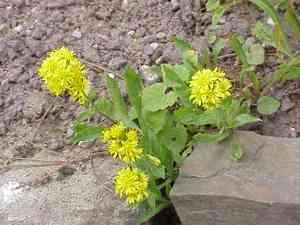
Goldenrod is recognized for its bright yellow blossoms that appear in late summer.
2
This species is simple to cultivate and supports soil integrity by stopping erosion.
3
Pollinator populations, especially bees, gain significantly from Goldenrod because of its rich nectar supply.
What Are the Main Environmental Advantages of Goldenrod?
Pollinator Assistance
Goldenrod plays a vital part in bolstering local ecosystems by drawing in various pollinators, such as bees and butterflies. Its abundant blossoms offer crucial nectar and pollen, contributing to the well-being and endurance of pollinator populations. By attracting these insects, Goldenrod indirectly aids in the fertilization of other plants, boosting regional biodiversity.
Soil Erosion Prevention
This plant excels at preventing soil degradation. Its extensive root systems anchor the soil, making it an essential plant for stabilizing areas prone to erosion. Planting Goldenrod along inclines and banks can significantly reduce soil loss and water runoff, thereby preserving soil health and preventing siltation in nearby water bodies.
Improving Soil Fertility
Goldenrod enhances soil fertility by adding organic matter as its foliage and stems decay. The deep roots of this plant assist in breaking up compacted earth, allowing for better water absorption and root penetration for surrounding flora. Additionally, it functions as a cover crop, diminishing weed growth and safeguarding soil nutrients.
How to Cultivate and Maintain Goldenrod in Your Garden
Selecting the Ideal Spot
Goldenrod thrives best in sunny locations with well-draining soil. While it can endure partial shade, full sun exposure ensures optimal development and flower production. It's a robust plant that can adapt to various soil types, making it an excellent choice for gardens with diverse soil conditions.
Watering and Upkeep
This plant is relatively low-maintenance, requiring minimal irrigation once established. Excessive watering should be avoided to prevent root rot. Regularly pruning dead or diseased stems will encourage healthier growth and more prolific blooming. Itâs also beneficial to mulch around the base to retain soil moisture and suppress weeds.
Pest and Disease Control
Goldenrod is generally resistant to most pests and diseases, which is one of its attractive qualities for gardeners. However, monitoring for any potential issues, such as mildew or rust, remains prudent. Employing organic pest management methods and ensuring good air circulation around the plants can help maintain a healthy garden.
What Are the Health and Wellness Benefits of Goldenrod?
Natural Respiratory Support
Goldenrod offers natural assistance for respiratory well-being by helping maintain clear breathing passages. Its use in teas and other herbal preparations has a long history, though modern application primarily focuses on its aromatic and flavor-enhancing qualities in culinary recipes.
Aesthetic and Fragrant Appeal
The vibrant yellow blooms of Goldenrod not only add visual charm to any garden or floral arrangement but also provide a delightful scent. This makes it a popular choice for decorative purposes, enhancing both indoor and outdoor spaces with a touch of natural beauty and pleasant aroma.
Why Should You Integrate Goldenrod Into Your Landscape?
Ecological Contributions
Incorporating Goldenrod into your landscape design means you're positively impacting local ecosystems. By providing essential resources for pollinators and aiding in soil conservation, Goldenrod helps create a more sustainable and balanced garden. It serves as a crucial element in habitat restoration projects and urban greening initiatives.
Versatility in Garden Designs
Goldenrod is a adaptable plant that can fit into various garden themes and designs, from wildflower meadows to formal garden beds. Its striking blossoms can be used as a focal point or a complementary background plant. Whether you're aiming to create a naturalistic garden or a more structured floral display, Goldenrod offers numerous design possibilities.
Seasonal Interest
One of the appealing aspects of Goldenrod is its capacity to provide seasonal allure. Blooming late in the summer and extending into the fall, it ensures your garden remains vibrant when many other plants have finished flowering. This extended blooming period also supports pollinators when other nectar sources are scarce.



