The Gray Goldenrod Plant Advantage: Maximizing Home and Office Appeal and Wellness
1
Gray Goldenrod is recognized for its resilience and capacity to flourish in infertile ground.
2
This flora promotes ecological diversity by drawing in numerous pollinators.
3
Gray Goldenrod has historically been utilized in customary folk remedies for its advantageous qualities.
What Makes Gray Goldenrod a Resilient Plant?
Adaptability to Various Soil Conditions
Gray Goldenrod is notable for its remarkable ability to adapt to diverse soil types. Unlike many plants needing rich soil, it thrives in poor, sandy, or rocky ground. This makes it an excellent option for locations where other plants struggle to grow. Its deep root system helps stabilize soil, preventing erosion and improving soil health over time.
Tolerance to Drought and Extreme Weather
Gray Goldenrod is not only adaptable to different soil types but also highly resistant to drought and harsh weather. Its capacity to endure extended dry periods makes it a dependable plant in areas facing water scarcity. Furthermore, this drought-resistant nature reduces the need for frequent watering, making it a low-upkeep choice for gardeners.
How Does Gray Goldenrod Support Biodiversity?
Attracting Pollinators
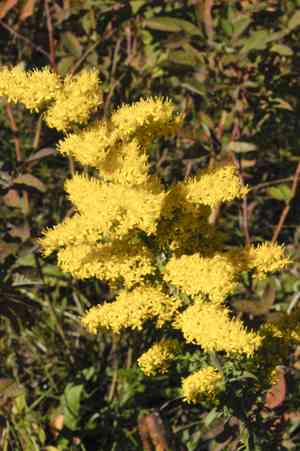
One of Gray Goldenrod's most significant contributions to local ecosystems is its role in drawing pollinators. The plant produces vibrant yellow blooms from late summer to fall, offering a crucial nectar source for bees, butterflies, and other pollinators when other floral resources are scarce. This helps sustain healthy pollinator populations, vital for food production and ecological balance.
Serving as a Habitat
Beyond attracting pollinators, Gray Goldenrod provides a habitat for various wildlife species. Small mammals, birds, and insects find shelter and food within its foliage and stems. By creating a diverse habitat, Gray Goldenrod plays a crucial role in maintaining ecological balance and promoting biodiversity within its growing area.
What Are the Landscaping Benefits of Gray Goldenrod?
Aesthetic Appeal
Gray Goldenrod is a popular choice in landscaping for its visual appeal. The plant's grayish-green leaves and golden-yellow flower clusters add a burst of color and texture to gardens and natural areas. It can be used as a single specimen, in mass plantings, or as part of a mixed perennial border, providing visual interest throughout the growing season.
Low Maintenance Requirements
In addition to its visual appeal, Gray Goldenrod is known for its minimal maintenance needs. Once established, it requires little care, making it an ideal choice for gardeners seeking an easy-to-manage plant. Its tolerance to drought and poor soils means less time spent on watering and soil amendments, allowing gardeners to enjoy their outdoor spaces more.
How Can Gray Goldenrod Be Used Beyond the Garden?
Erosion Control
Gray Goldenrod is highly effective for erosion control due to its dense root system. It can be planted on slopes, along stream banks, or in areas prone to erosion to help stabilize the soil. As the roots develop, they bind the soil particles together, reducing runoff and preventing soil loss.
Rehabilitation of Disturbed Sites
This plant is also valuable in the restoration of disturbed sites. Gray Goldenrod can be used to reclaim areas affected by construction, mining, or other disruptions. Its rapid establishment and hardiness allow it to thrive in challenging environments, helping to initiate the recovery process and support the re-establishment of native plant communities.



